When it comes to the world of woodworking, metalworking, and various construction projects, a circular saw is an indispensable tool. As a supplier of Machine Saw Circular, I often encounter customers who are confused about the differences between corded and cordless circular saws. In this blog, I'll delve into the distinct characteristics of both types to help you make an informed decision.
Power Source and Mobility
The most obvious difference between corded and cordless circular saws lies in their power sources. Corded circular saws are directly connected to an electrical outlet via a power cord. This continuous power supply means they can operate at a consistent level of performance without worrying about battery depletion. They are ideal for heavy - duty, long - term projects where a constant and reliable power source is crucial.
On the other hand, cordless circular saws are powered by rechargeable batteries. This feature provides unparalleled mobility. You can take them anywhere, whether it's a remote construction site without easy access to electricity or a job in your backyard. With a cordless saw, you don't have to be restricted by the length of a power cord or search for an available outlet. However, the battery life is a limiting factor. You need to carry spare batteries for longer projects to avoid downtime.
Performance and Cutting Capacity
Corded circular saws generally offer more power compared to their cordless counterparts. The direct connection to the electrical grid allows them to handle tougher materials and make more demanding cuts. They can cut through thick hardwoods, dense metals, and other challenging materials with ease. For professional woodworkers and construction workers who deal with large - scale projects, a corded circular saw is often the top choice.
Cordless circular saws have made significant progress in recent years in terms of performance. High - end models can now provide sufficient power for most common cutting tasks, such as cutting plywood, softwoods, and thin metals. But when it comes to extremely thick or hard materials, they may struggle. The power output of a cordless saw can also decrease as the battery drains, affecting the quality of the cut.
Portability and Storage
As mentioned earlier, cordless circular saws are highly portable. They are easy to carry around, whether you're moving from one room to another in a house or transporting them to a different job site. Their compact size and lack of a power cord make them convenient for quick jobs on the go. Additionally, they are easier to store in a toolbox or a small storage space due to their more streamlined design.
Corded circular saws, however, can be a bit cumbersome to transport. The power cord needs to be carefully managed to avoid tangling, and they are generally larger and heavier. Storing a corded saw also requires more space, especially if you need to keep the cord neatly wound up.
Noise and Maintenance
Corded circular saws tend to be louder than cordless ones. The continuous power flow and the operation of the motor directly connected to the electrical supply can generate a significant amount of noise. This can be a nuisance, especially in residential areas or indoor workspaces where noise restrictions may apply.
In terms of maintenance, corded saws have fewer components that can wear out compared to cordless saws. The motor and the blade are the main parts that need attention. Cordless saws, in addition to blade maintenance, require regular battery care. Batteries need to be charged properly, and over time, they may lose their capacity and need to be replaced.
Cost Considerations
Corded circular saws are usually more affordable upfront. They don't require the additional cost of batteries and chargers. They are a cost - effective option for those on a tight budget or for occasional users who don't need the extra features of a cordless saw.
Cordless circular saws, especially high - quality models with long - lasting batteries, can be more expensive. The initial investment includes the saw itself, the battery, and the charger. However, if you value the mobility and convenience they offer, the extra cost may be worth it in the long run.
Application Scenarios
For large - scale construction projects, such as building a house or a commercial building, corded circular saws are the workhorses. Their high power and continuous performance make them suitable for cutting large amounts of lumber, steel beams, and other construction materials. They can work non - stop for hours, ensuring efficient progress on the project.


In contrast, cordless circular saws are great for DIY projects, small - scale remodeling jobs, and tasks where mobility is key. For example, if you're building a small wooden shed in your backyard or doing some minor repairs around the house, a cordless saw allows you to move freely without the hassle of a power cord.
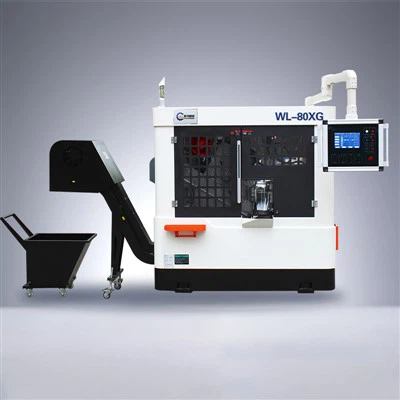
As a supplier of Machine Saw Circular, I offer a wide range of both corded and cordless circular saws to meet different customer needs. Our Circular Saw Cutting Machine is designed with high - quality components to ensure reliable performance. And for more specialized tasks, such as cutting stainless steel pipes, our Stainless Steel Pipe Saw Orbital Cutting Machine provides precise and efficient cutting solutions.
If you're in the market for a circular saw, whether it's for professional use or DIY projects, I encourage you to consider your specific requirements carefully. If you have any questions or need further advice on choosing the right saw, don't hesitate to contact me for a procurement negotiation. I'm here to help you find the perfect circular saw for your needs.
References
- "The Complete Guide to Circular Saws" by Woodworking Magazine
- "Power Tools: Corded vs Cordless" by Construction Industry Journal
- Product manuals of various circular saw models from leading manufacturers