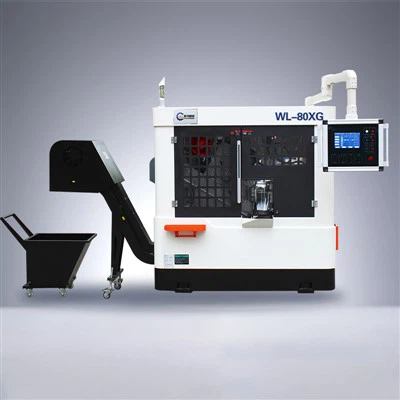
As a seasoned supplier of pipe cutting machines, I often encounter a variety of inquiries from clients with diverse needs. One question that has popped up more frequently lately is, "Can a pipe cutting machine cut pipes with a spiral structure?" This query is not only relevant but also crucial for industries that deal with spiral pipes, such as the oil and gas, construction, and manufacturing sectors. In this blog post, I'll delve into the technical aspects of pipe cutting machines and explore whether they can effectively cut pipes with a spiral structure.
Understanding Pipe Cutting Machines
Before we address the question at hand, it's essential to understand the different types of pipe cutting machines available in the market. There are several cutting technologies used in pipe cutting machines, including sawing, plasma cutting, laser cutting, and waterjet cutting. Each technology has its own set of advantages and limitations, and the choice of machine depends on factors such as the type of material, pipe diameter, wall thickness, and cutting precision required.
- Sawing Machines: Sawing is one of the most common methods for cutting pipes. It involves using a circular saw blade to cut through the pipe. Sawing machines are known for their simplicity, reliability, and cost-effectiveness. They can be used to cut a wide range of materials, including steel, aluminum, and plastic. There are different types of sawing machines, such as Heavy Duty Metal Cutting Circular Saw, Metal Circular Sawing Machine, and Circular Saw Machine High Speed Metal. These machines are suitable for cutting pipes with straight or slightly curved profiles.
- Plasma Cutting Machines: Plasma cutting is a thermal cutting process that uses a high-velocity jet of ionized gas to cut through metal. Plasma cutting machines are capable of cutting thick pipes with high precision and speed. They are commonly used in industries such as shipbuilding, automotive, and metal fabrication. However, plasma cutting can produce a rough cut surface and may require additional finishing operations.
- Laser Cutting Machines: Laser cutting is a non-contact cutting process that uses a high-powered laser beam to cut through materials. Laser cutting machines offer high precision, accuracy, and flexibility. They can cut complex shapes and profiles with ease. Laser cutting is suitable for cutting thin to medium-thickness pipes made of various materials, including stainless steel, aluminum, and copper. However, laser cutting machines are relatively expensive and require skilled operators.
- Waterjet Cutting Machines: Waterjet cutting is a cold cutting process that uses a high-pressure stream of water mixed with abrasive particles to cut through materials. Waterjet cutting machines can cut a wide range of materials, including metals, ceramics, and composites. They offer a clean, burr-free cut and do not produce heat-affected zones. Waterjet cutting is suitable for cutting pipes with complex shapes and profiles. However, waterjet cutting machines are relatively slow and may require additional equipment for wastewater treatment.
Challenges of Cutting Spiral Pipes
Pipes with a spiral structure present unique challenges when it comes to cutting. Unlike straight pipes, spiral pipes have a helical shape, which means that the cutting path is not linear. This requires the cutting machine to be able to follow the spiral contour of the pipe accurately. Additionally, the spiral structure of the pipe can cause the cutting blade or tool to experience uneven forces, which can lead to premature wear and tear and reduced cutting quality.
Another challenge is the presence of the spiral weld or seam in the pipe. The weld or seam can be harder and more brittle than the base material, which can make it difficult to cut through. The cutting process may also generate heat, which can affect the integrity of the weld or seam and cause it to crack or deform.
Can a Pipe Cutting Machine Cut Spiral Pipes?
The answer to the question "Can a pipe cutting machine cut pipes with a spiral structure?" is yes, but it depends on the type of cutting machine and the specific requirements of the application.
- Sawing Machines: Sawing machines can be used to cut spiral pipes, but they may require some modifications or special fixtures to ensure accurate cutting. For example, a circular saw machine can be equipped with a rotary table or a CNC control system to allow the saw blade to follow the spiral contour of the pipe. However, sawing machines may not be suitable for cutting pipes with a large diameter or a thick wall thickness, as the cutting forces can be too high and cause the saw blade to break or wear out quickly.
- Plasma Cutting Machines: Plasma cutting machines are capable of cutting spiral pipes with high precision and speed. The plasma arc can easily cut through the spiral weld or seam without causing any damage to the base material. However, plasma cutting can produce a rough cut surface and may require additional finishing operations.
- Laser Cutting Machines: Laser cutting machines are well-suited for cutting spiral pipes, especially those made of thin to medium-thickness materials. The laser beam can follow the spiral contour of the pipe accurately and produce a clean, precise cut. Laser cutting also does not generate any mechanical forces, which means that there is no risk of the pipe deforming or cracking during the cutting process. However, laser cutting machines are relatively expensive and may not be suitable for cutting pipes with a large diameter or a thick wall thickness.
- Waterjet Cutting Machines: Waterjet cutting machines can cut spiral pipes with ease, regardless of the diameter or wall thickness. The high-pressure waterjet can cut through the spiral weld or seam without causing any damage to the base material. Waterjet cutting also produces a clean, burr-free cut and does not generate any heat-affected zones. However, waterjet cutting machines are relatively slow and may require additional equipment for wastewater treatment.
Factors to Consider When Choosing a Pipe Cutting Machine for Spiral Pipes
When choosing a pipe cutting machine for cutting spiral pipes, there are several factors to consider:


- Pipe Material and Thickness: The type of material and the thickness of the pipe will determine the cutting method and the type of cutting machine required. For example, sawing machines are suitable for cutting thin to medium-thickness pipes made of steel or aluminum, while plasma cutting machines are better suited for cutting thick pipes made of stainless steel or other high-strength materials.
- Pipe Diameter and Spiral Pitch: The diameter and the spiral pitch of the pipe will affect the cutting path and the accuracy of the cutting machine. A larger diameter pipe or a smaller spiral pitch will require a more precise and flexible cutting machine.
- Cutting Precision and Quality: The required cutting precision and quality will depend on the application. For example, pipes used in the oil and gas industry may require a high level of precision and quality to ensure a leak-free connection. In this case, a laser cutting machine or a waterjet cutting machine may be the best choice.
- Production Volume: The production volume will determine the type of cutting machine and the level of automation required. For high-volume production, a CNC-controlled cutting machine or a fully automated cutting system may be necessary to increase productivity and reduce labor costs.
- Cost and Budget: The cost of the cutting machine and the operating costs, such as energy consumption, maintenance, and consumables, will also need to be considered. It's important to choose a cutting machine that offers the best value for money and meets the specific requirements of the application.
Conclusion
In conclusion, a pipe cutting machine can cut pipes with a spiral structure, but the choice of cutting machine depends on several factors, including the type of material, pipe diameter, wall thickness, cutting precision, and production volume. Sawing machines, plasma cutting machines, laser cutting machines, and waterjet cutting machines all have their own advantages and limitations when it comes to cutting spiral pipes. By understanding the technical aspects of each cutting method and considering the specific requirements of the application, you can choose the right pipe cutting machine for your needs.
If you're in the market for a pipe cutting machine or have any questions about cutting spiral pipes, please don't hesitate to contact us. Our team of experts will be happy to assist you in finding the best solution for your application.
References
- ASME Boiler and Pressure Vessel Code
- AWS D1.1 Structural Welding Code - Steel
- ISO 9013 Thermal Cutting - Classification of Thermal Cuts - Geometric Product Specifications (GPS) and Quality Tolerances