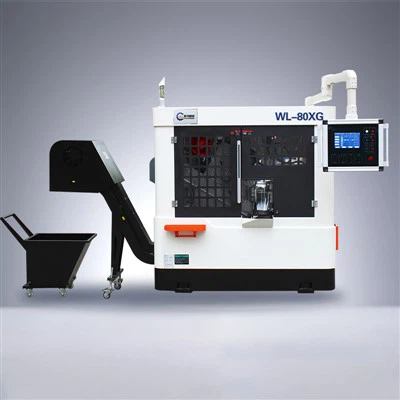
Can a TCT Blade Saw Machine be used for cutting plastics?
As a supplier of TCT Blade Saw Machines, I often encounter inquiries from customers about the versatility of our products, especially regarding their suitability for cutting plastics. In this blog post, I'll delve into the technical aspects, advantages, limitations, and best practices when using a TCT Blade Saw Machine for plastic cutting.
Understanding TCT Blade Saw Machines
Before we discuss plastic cutting, let's briefly understand what a TCT Blade Saw Machine is. TCT stands for Tungsten Carbide Tipped. These saw machines are equipped with blades that have tungsten carbide tips, which are extremely hard and durable. The TCT Blade Saw Machine is designed to cut through a variety of materials, including metals, wood, and composites. The high - speed rotation of the blade, combined with the sharpness of the carbide tips, allows for efficient and precise cutting.
Technical Feasibility of Cutting Plastics
Plastics come in different types, such as thermoplastics (e.g., PVC, ABS, and polycarbonate) and thermosetting plastics (e.g., epoxy and phenolic resins). In general, a TCT Blade Saw Machine can be used to cut plastics, but there are several factors to consider.


- Blade Design: The design of the TCT blade is crucial. For plastic cutting, a blade with a high tooth count and a special tooth geometry is often preferred. A high - tooth - count blade reduces the amount of material removed per tooth, resulting in a smoother cut. Special tooth geometries, such as a raker tooth pattern, can help in chip evacuation, preventing the plastic from melting and sticking to the blade.
- Cutting Speed: The cutting speed needs to be adjusted according to the type of plastic. Thermoplastics are more sensitive to heat, and if the cutting speed is too high, the plastic may melt or deform. On the other hand, thermosetting plastics are more brittle, and a moderate cutting speed can help prevent cracking.
- Cooling and Lubrication: Cooling and lubrication are essential when cutting plastics. Some plastics generate a significant amount of heat during cutting, which can lead to melting, burring, or discoloration. Using a coolant or lubricant can reduce heat buildup, improve the cutting quality, and extend the life of the blade.
Advantages of Using a TCT Blade Saw Machine for Plastic Cutting
- Precision: TCT Blade Saw Machines offer high precision cutting. The sharp carbide tips can make clean and accurate cuts, which is especially important for applications where tight tolerances are required, such as in the manufacturing of plastic components for electronics or automotive industries.
- Versatility: These machines can cut different types and thicknesses of plastics. Whether you need to cut thin plastic sheets or thick plastic blocks, a well - adjusted TCT Blade Saw Machine can handle the task.
- Efficiency: Compared to some other cutting methods, such as manual sawing or laser cutting in some cases, TCT Blade Saw Machines can cut plastics relatively quickly, increasing productivity.
Limitations
- Material Compatibility: Not all plastics are suitable for cutting with a TCT Blade Saw Machine. Some soft or rubbery plastics may be difficult to cut cleanly, as they tend to deform or stick to the blade. Additionally, plastics with high filler content may cause excessive wear on the blade.
- Noise and Dust: Cutting plastics with a TCT Blade Saw Machine can generate noise and dust. The dust can be a health hazard, especially if the plastic contains harmful additives. Proper ventilation and personal protective equipment (PPE) are necessary to ensure a safe working environment.
Best Practices for Cutting Plastics with a TCT Blade Saw Machine
- Select the Right Blade: Choose a TCT blade specifically designed for plastic cutting. Consider the type, thickness, and hardness of the plastic when selecting the blade.
- Adjust the Cutting Parameters: Set the appropriate cutting speed, feed rate, and depth of cut. Refer to the manufacturer's guidelines for the plastic material you are cutting.
- Use Cooling and Lubrication: As mentioned earlier, use a suitable coolant or lubricant to reduce heat and improve the cutting quality.
- Secure the Material: Make sure the plastic material is properly secured before cutting to prevent movement, which can lead to inaccurate cuts or blade damage.
Comparison with Other Cutting Methods
- Laser Cutting: Laser cutting offers high precision and can cut complex shapes. However, it is more expensive and may not be suitable for thick plastics. A TCT Blade Saw Machine is more cost - effective for simple straight cuts and thicker plastic materials.
- Waterjet Cutting: Waterjet cutting is a non - thermal cutting method, which is ideal for heat - sensitive plastics. But it requires a large amount of water and a high - pressure system. TCT Blade Saw Machines are more compact and easier to operate in a regular workshop environment.
Our TCT Blade Saw Machines for Plastic Cutting
At our company, we offer a range of Saw Machines Circular Saw and High Speed Circular Saw Machine that are suitable for plastic cutting. Our TCT blades are engineered with the latest technology to ensure optimal performance when cutting different types of plastics. We also provide technical support and training to help our customers achieve the best cutting results.
If you are in the market for a reliable TCT Blade Saw Machine for plastic cutting, we encourage you to get in touch with us. Our team of experts can assist you in selecting the right machine and blade for your specific needs. Whether you are a small - scale workshop or a large - scale manufacturing plant, we have the solutions to meet your requirements. Contact us today to start a discussion about your plastic cutting projects and explore how our TCT Blade Saw Machines can enhance your productivity and cutting quality.
References
- "Plastic Materials and Processes: A Concise Encyclopedia" by Charles A. Harper
- "Cutting Technology Handbook" by various industry experts