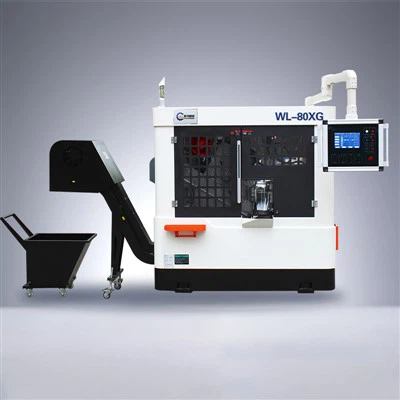
As a supplier of Automatic Circular Saws, I often encounter inquiries from customers about the versatility of our machines, especially regarding their suitability for cutting plastic materials. In this blog post, I'll delve into the technical aspects, practical considerations, and potential benefits of using an automatic circular saw for plastic cutting.
Technical Feasibility
Cutting Mechanism
Automatic circular saws operate on a simple yet effective principle. A circular blade rotates at high speeds, and the material is fed into the blade for cutting. The sharp teeth of the blade bite into the material, removing chips as it progresses through the cut. When it comes to plastic materials, the cutting mechanism remains the same, but the properties of plastic require specific adjustments.
Plastics are generally softer and more flexible than metals, which are the more common materials for circular saws. This means that the blade needs to be carefully selected to ensure a clean cut without causing excessive melting or deformation. For example, a blade with a high tooth count and a special coating can reduce friction and heat generation, which is crucial for preventing the plastic from melting during the cutting process.
Blade Selection
The choice of blade is critical when cutting plastic materials. A blade designed for metal cutting may not be suitable for plastic, as it can cause rough edges, melting, or even shattering of the plastic. Instead, a blade with a fine-tooth design and a special tip geometry is recommended. These blades are designed to cut through plastic smoothly, reducing the risk of damage to the material.
Some blades are specifically designed for cutting plastics, with features such as a low tooth pitch and a high rake angle. These blades can provide a clean, precise cut with minimal heat generation. Additionally, blades with a carbide or diamond tip can offer longer life and better performance when cutting hard plastics.
Speed and Feed Rate
The speed and feed rate of the automatic circular saw also play a crucial role in cutting plastic materials. Unlike metal cutting, where high speeds are often preferred, cutting plastic requires a slower speed to prevent melting and ensure a clean cut. The feed rate should also be adjusted accordingly to avoid overloading the blade and causing damage to the material.
In general, a slower blade speed and a lower feed rate are recommended when cutting plastic. This allows the blade to cut through the material smoothly without generating excessive heat. However, the exact speed and feed rate will depend on the type and thickness of the plastic being cut, as well as the specific blade being used.
Practical Considerations
Safety
Safety is always a top priority when operating any type of machinery, and automatic circular saws are no exception. When cutting plastic materials, there are some additional safety considerations to keep in mind.
Plastic can produce fine dust particles when cut, which can be harmful if inhaled. Therefore, it is important to use proper ventilation and dust collection systems to minimize the risk of exposure. Additionally, plastic can melt and stick to the blade, which can cause the blade to overheat and potentially break. To prevent this, it is important to use a blade with a special coating or to lubricate the blade during the cutting process.
Precision
Achieving precise cuts is essential when working with plastic materials, especially in applications where accuracy is critical. Automatic circular saws can offer high levels of precision, but it is important to ensure that the machine is properly calibrated and maintained.
To achieve precise cuts, it is important to use a high-quality blade and to adjust the speed and feed rate correctly. Additionally, the material should be properly secured to prevent movement during the cutting process. Some automatic circular saws are equipped with features such as laser guides or digital displays to help ensure accurate cuts.
Cost
The cost of cutting plastic materials with an automatic circular saw will depend on several factors, including the type and thickness of the plastic, the blade being used, and the speed and feed rate of the machine. In general, cutting plastic can be more expensive than cutting metal, as special blades and lubricants may be required.
However, the cost of cutting plastic can be offset by the benefits of using an automatic circular saw, such as increased productivity, precision, and safety. Additionally, the long-term cost savings of using a high-quality automatic circular saw can be significant, as it can reduce the need for manual labor and improve the overall quality of the finished product.
Benefits of Using an Automatic Circular Saw for Cutting Plastic Materials
Increased Productivity
One of the main benefits of using an automatic circular saw for cutting plastic materials is increased productivity. Automatic circular saws can cut through plastic materials quickly and efficiently, reducing the time and labor required for manual cutting. This can result in significant cost savings and increased production capacity.
Precision and Consistency
Automatic circular saws can offer high levels of precision and consistency when cutting plastic materials. The machine can be programmed to make precise cuts at a consistent speed and feed rate, ensuring that each cut is identical. This can improve the overall quality of the finished product and reduce the need for additional finishing operations.
Safety
Using an automatic circular saw for cutting plastic materials can also improve safety in the workplace. Manual cutting of plastic can be dangerous, as it requires the operator to hold the material in place while using a sharp blade. This can increase the risk of injury, especially if the operator is not properly trained.
An automatic circular saw eliminates the need for manual cutting, reducing the risk of injury to the operator. Additionally, the machine is equipped with safety features such as guards and emergency stop buttons to prevent accidents.
Versatility
Automatic circular saws are highly versatile machines that can be used for cutting a wide range of materials, including plastic. This makes them a valuable tool for manufacturers and fabricators who work with different types of materials.


By using an automatic circular saw, manufacturers can reduce the need for multiple cutting machines, saving space and money. Additionally, the machine can be easily adjusted to cut different types and thicknesses of plastic materials, making it a flexible and cost-effective solution for cutting plastic.
Conclusion
In conclusion, an automatic circular saw can be used for cutting plastic materials, but it requires careful consideration of several factors, including blade selection, speed and feed rate, safety, precision, and cost. By choosing the right blade, adjusting the speed and feed rate, and following proper safety procedures, an automatic circular saw can provide a clean, precise, and efficient cut of plastic materials.
As a supplier of Automatic Circular Saws, we offer a wide range of machines and blades specifically designed for cutting plastic materials. Our Automatic Cold Saw, High speed cold cutting saw, and High Speed Circular Saw Machine are all suitable for cutting plastic, and we can provide expert advice on blade selection and operating parameters.
If you are interested in using an automatic circular saw for cutting plastic materials, please contact us for more information. Our team of experts will be happy to assist you in choosing the right machine and blade for your specific needs. We look forward to working with you to achieve your cutting goals.
References
- "Cutting Plastic with Circular Saws." Woodworking Network.
- "Blade Selection for Cutting Plastic." Sawblade.com.
- "Safety Considerations When Cutting Plastic." Occupational Safety and Health Administration (OSHA).