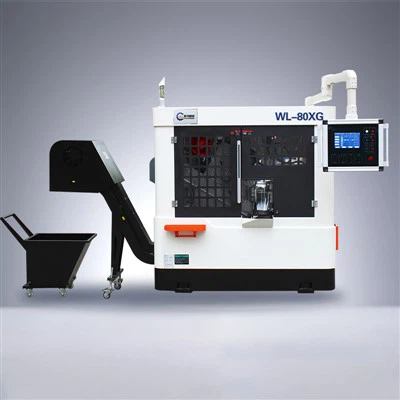
As a supplier of Makita Circular Saw Machines, I've received numerous inquiries about the machine's capabilities, especially regarding whether it can be used for cutting curves. In this blog post, I'll delve into this topic, exploring the potential of Makita Circular Saw Machines in curve - cutting tasks.
Understanding the Makita Circular Saw Machine
Makita is a well - known brand in the power tool industry, renowned for its high - quality and reliable products. The Circular Saw Machine by Makita is designed with precision and durability in mind. It typically consists of a circular blade, a motor, and a base plate. The blade rotates at high speeds, powered by the motor, and the base plate provides stability and support during the cutting process.
These saws come in different sizes and power ratings, suitable for a variety of applications, from simple DIY projects to professional construction work. They are commonly used for making straight cuts in materials such as wood, plastic, and even some metals. But can they handle the more complex task of cutting curves?
Factors Affecting Curve - Cutting with a Makita Circular Saw Machine
Blade Selection
The type of blade used on the Makita Circular Saw Machine plays a crucial role in its ability to cut curves. For curve - cutting, a blade with a smaller number of teeth per inch (TPI) is often preferred. A blade with fewer teeth cuts more aggressively and can make it easier to follow the curve. For example, a 60 - tooth blade might be great for straight, clean cuts in plywood, but for cutting a gentle curve in a softwood plank, a 24 - tooth blade could be a better choice.
Makita offers a wide range of blades suitable for different materials and cutting tasks. When planning to cut curves, it's essential to select the right blade based on the material you're working with. For instance, if you're cutting a thin sheet of plastic, a fine - toothed blade designed for plastic cutting would be ideal.
Material Thickness and Type
The thickness and type of the material being cut also impact the curve - cutting process. Thicker materials are generally more difficult to cut curves in, as the saw has to remove more material and maintain a smooth path. Soft materials like pine or balsa wood are easier to cut curves in compared to hardwoods such as oak or maple.
When working with thicker materials, it may be necessary to make multiple passes to achieve the desired curve. This approach reduces the stress on the saw and helps maintain better control. For example, if you're cutting a 2 - inch thick oak board into a curved shape, you might start by making a series of shallow cuts along the curve and gradually deepen them until you reach the full thickness.
Skill and Technique of the Operator
The operator's skill and technique are perhaps the most significant factors in using a Makita Circular Saw Machine for curve - cutting. Cutting curves requires a steady hand and the ability to guide the saw along the desired path. Beginners may find it challenging to maintain a smooth curve, but with practice, it becomes more manageable.
One useful technique is to mark the curve on the material accurately before starting the cut. You can use a template or a flexible curve ruler to draw the curve. Then, start the saw and slowly guide it along the marked line. It's important to keep the saw moving at a consistent speed; too fast, and you may lose control, too slow, and the blade may overheat.
Using a Makita Circular Saw Machine for Different Types of Curves
Gentle Curves
Cutting gentle curves with a Makita Circular Saw Machine is relatively straightforward. As mentioned earlier, select the appropriate blade and mark the curve on the material. Start the saw and slowly guide it along the curve, applying light pressure. The key is to let the saw do the work and not force it.
For example, if you're making a gentle arc in a 1 - inch thick pine board for a decorative piece, you can use a medium - sized blade with around 30 teeth. Mark the arc on the board using a flexible curve ruler, and then carefully guide the saw along the line. Keep the base plate of the saw flat on the material to ensure a smooth cut.
Tight Curves
Cutting tight curves is more challenging. In some cases, a Makita Circular Saw Machine may not be the best tool for extremely tight curves, but with the right approach, it can still be done. One option is to use a plunge - cut feature if your saw has it. The plunge - cut allows you to start the cut in the middle of the material, which can be useful when creating a tight curve.
Another technique is to make relief cuts. Before cutting the main curve, make a series of small, straight cuts perpendicular to the curve line. These cuts reduce the amount of material the saw has to remove at once and make it easier to follow the curve. However, this method requires careful planning and precision to ensure the relief cuts don't affect the final shape.
Advantages and Limitations of Using a Makita Circular Saw Machine for Curve - Cutting
Advantages
One of the main advantages of using a Makita Circular Saw Machine for curve - cutting is its versatility. It's a tool that most woodworkers and DIY enthusiasts already have in their workshop, so there's no need to invest in a specialized curve - cutting tool. The machine is also relatively powerful and can handle a variety of materials.
Another advantage is the cost - effectiveness. Compared to some dedicated curve - cutting tools like a jigsaw or a band saw, a Makita Circular Saw Machine is often more affordable. It can perform multiple tasks, including straight cuts and curve - cuts, making it a valuable addition to any tool collection.
Limitations
Despite its capabilities, the Makita Circular Saw Machine does have some limitations when it comes to curve - cutting. As mentioned earlier, it may struggle with extremely tight curves, especially in thick or hard materials. The saw's size and weight can also make it less maneuverable compared to smaller, more specialized curve - cutting tools.
In addition, the cut quality may not be as smooth as that achieved with a jigsaw or a band saw. The circular blade can leave a rougher edge, especially on materials like plywood or laminates. However, this can be mitigated by sanding the cut edge after the sawing is complete.
Other Considerations and Related Products
If you're looking for more precise and efficient curve - cutting solutions, you might also consider some related products. The Table Circular Saw Machine offers more stability and control, making it easier to cut curves, especially in larger workpieces. It has a fixed table where the material can be held securely, and the saw can be adjusted to different angles and heights.
The Circular Saw Machine Full Automatic is another option for those who need to cut a large number of curves with consistent quality. This type of saw can be programmed to follow a specific cutting pattern, reducing the need for manual intervention and ensuring accurate cuts every time.
The Automatic cutting circular saw machine is well - suited for cutting curves in metal materials. It has the power and precision required to handle the challenges of cutting metal, including maintaining a smooth curve without overheating the blade.
Conclusion
In conclusion, a Makita Circular Saw Machine can be used for cutting curves, but it depends on several factors such as blade selection, material type and thickness, and the operator's skill. With the right approach and some practice, it's possible to achieve satisfactory results when cutting both gentle and moderately tight curves.


If you're in the market for a reliable Circular Saw Machine or need advice on curve - cutting techniques, feel free to reach out. We're here to help you make the most of your cutting projects and find the best solutions for your needs. Whether you're a professional contractor or a DIY enthusiast, our team can provide you with the expertise and products to get the job done right.
References
- Makita Product Manuals
- Woodworking magazines and online forums
- Industry research on power tool applications