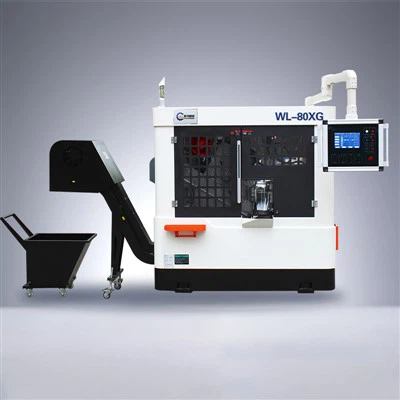
Hey there! As a supplier of Cold Circular Saw Machines, I've seen firsthand how crucial it is to keep these machines running smoothly. A stable cold circular saw machine not only boosts efficiency but also cuts down on maintenance costs and extends the machine's lifespan. So, let's dive into some key strategies to ensure the stability of a cold circular saw machine during operation.
1. Machine Installation and Setup
First things first, proper installation is the foundation of a stable cold circular saw machine. You gotta make sure the machine is placed on a flat and sturdy surface. Even a slight tilt can throw off the cutting accuracy and cause vibrations during operation. I've seen cases where the machine was installed on an uneven floor, and it led to all sorts of problems, like uneven cuts and premature wear on the saw blade.
When setting up the machine, follow the manufacturer's instructions carefully. This includes aligning the saw blade correctly, adjusting the cutting depth, and calibrating the feed rate. For example, if the saw blade isn't aligned properly, it can cause the blade to bind or break, which is a major safety hazard. And if the feed rate is too high or too low, it can affect the quality of the cut and put unnecessary stress on the machine.
2. Regular Maintenance
Regular maintenance is like giving your cold circular saw machine a health check-up. It helps catch any potential issues before they turn into major problems. One of the most important maintenance tasks is keeping the saw blade clean and sharp. A dull blade can cause the machine to work harder, leading to increased wear and tear and reduced cutting performance. You should also check the blade for any signs of damage, such as cracks or chips, and replace it if necessary.
In addition to blade maintenance, you should also lubricate the moving parts of the machine regularly. This helps reduce friction and wear, which can improve the machine's efficiency and lifespan. Make sure to use the recommended lubricants and follow the manufacturer's guidelines for lubrication intervals.
Another important maintenance task is checking the coolant system. The coolant helps keep the saw blade cool and reduces the risk of overheating, which can damage the blade and the machine. You should check the coolant level regularly and refill it as needed. You should also clean the coolant tank and filter to prevent the buildup of debris and contaminants.
3. Operator Training
Even the best cold circular saw machine won't perform well if the operator doesn't know how to use it properly. That's why it's essential to provide comprehensive training to your operators. The training should cover everything from basic machine operation to advanced cutting techniques. It should also include safety procedures, such as how to use personal protective equipment (PPE) and how to avoid common hazards.
During the training, make sure the operators understand the importance of following the manufacturer's instructions and safety guidelines. They should also know how to perform basic maintenance tasks, such as blade changing and lubrication. By investing in operator training, you can improve the safety and efficiency of your cold circular saw machine and reduce the risk of accidents and downtime.
4. Quality Control
Quality control is an important part of ensuring the stability of a cold circular saw machine. You should have a quality control system in place to monitor the performance of the machine and the quality of the cuts. This can include regular inspections, measurements, and tests.
For example, you can use a micrometer or a caliper to measure the thickness and width of the cuts to ensure they meet the required specifications. You can also use a surface roughness tester to check the smoothness of the cut surface. By monitoring the quality of the cuts, you can identify any issues early on and take corrective action to prevent them from recurring.
In addition to monitoring the quality of the cuts, you should also keep track of the machine's performance. This can include monitoring the cutting speed, feed rate, and power consumption. By analyzing this data, you can identify any trends or patterns that may indicate a problem with the machine. For example, if the power consumption is increasing over time, it may indicate that the machine is working harder than it should be, which could be due to a dull blade or a mechanical issue.
5. Choosing the Right Saw Blade
Choosing the right saw blade is crucial for ensuring the stability and performance of a cold circular saw machine. There are many different types of saw blades available, each designed for a specific application. When choosing a saw blade, you should consider factors such as the material you're cutting, the thickness of the material, and the cutting speed.
For example, if you're cutting metal, you'll need a saw blade that's specifically designed for metal cutting. These blades typically have a higher tooth count and a harder cutting edge than blades designed for other materials. If you're cutting thick materials, you'll need a blade with a larger diameter and a higher tooth pitch to ensure a smooth and efficient cut.


It's also important to choose a high-quality saw blade from a reputable manufacturer. A cheap, low-quality blade may save you money in the short term, but it can cause more problems in the long run. A high-quality blade will last longer, cut more efficiently, and produce better-quality cuts.
6. Environmental Factors
The environment in which the cold circular saw machine operates can also affect its stability and performance. For example, if the machine is located in a dusty or dirty environment, it can cause the saw blade to become clogged with debris, which can affect its cutting performance. You should try to keep the machine clean and free of debris by using a dust collector or a vacuum cleaner.
In addition to dust and debris, temperature and humidity can also affect the performance of the machine. Extreme temperatures can cause the machine to expand or contract, which can affect its alignment and accuracy. High humidity can cause the saw blade to rust and corrode, which can reduce its lifespan. You should try to keep the machine in a controlled environment with a stable temperature and humidity level.
Conclusion
Ensuring the stability of a cold circular saw machine during operation is essential for achieving optimal performance and efficiency. By following the strategies outlined in this blog post, you can keep your machine running smoothly and reduce the risk of downtime and maintenance costs.
If you're in the market for a cold circular saw machine, I encourage you to check out our Metal Cutting Circular Saw Machine, Automatic stainless steel circular saw machine, and Cold saw circular saw machine. We offer a wide range of high-quality cold circular saw machines that are designed to meet the needs of different industries and applications.
If you have any questions or would like to discuss your specific requirements, please don't hesitate to contact us. We're here to help you find the right cold circular saw machine for your needs and ensure that it performs at its best.
References
- "Cold Circular Saw Machine Operation and Maintenance Manual" - Manufacturer's manual
- "Metal Cutting Handbook" - Industry reference book
- "Safety Guidelines for Cold Circular Saw Machines" - Occupational safety resource