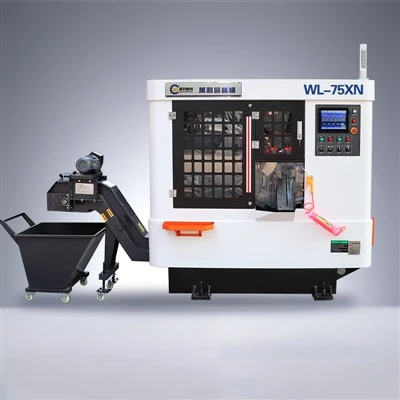
As a trusted supplier of pipe cutting machines, I understand the importance of correctly installing the cutting blade on a pipe cutting machine. A well - installed blade not only ensures efficient cutting but also extends the lifespan of both the blade and the machine. In this blog post, I'll guide you through the step - by - step process of installing a cutting blade on a pipe cutting machine.
1. Preparation
Before you start the installation process, it is crucial to gather all the necessary tools and materials. You will need safety equipment such as safety goggles and gloves to protect yourself from any potential hazards during the installation. Additionally, a wrench or a suitable tool for loosening and tightening the blade - mounting components is required.
It's also essential to choose the right cutting blade for your specific pipe - cutting needs. Different types of pipes, such as steel, aluminum, or plastic, require different blade materials and tooth configurations. For example, when cutting hard materials like stainless steel, you may need a blade with carbide teeth for better durability and cutting performance. You can explore our various pipe cutting machines and suitable blades on our product pages like Shandong Wanli Precision Circular Saw Machine High Speed Cold Saw Machine Manufacturer Processing Cutting Equipment Model WL80XN.
2. Power Down the Machine
Safety should always be your top priority when working with any machinery. Before beginning the blade installation, make sure the pipe cutting machine is powered off and unplugged. This eliminates the risk of the machine accidentally starting while you're working on it, which could lead to serious injury.
3. Access the Blade - Mounting Area
Most pipe cutting machines have a protective cover that shields the blade during operation. Locate this cover and use the appropriate tool to remove it. Usually, this involves loosening a few bolts or screws. Once the cover is removed, you'll have clear access to the blade - mounting area.
4. Remove the Old Blade (if applicable)
If there is an existing blade on the machine, you need to remove it first. Identify the blade - mounting nut or bolt that secures the blade to the spindle. Use your wrench to loosen this nut or bolt in a counter - clockwise direction. Once it's loose enough, carefully remove the old blade from the spindle. Be cautious as the blade may still be sharp, even if it's worn out.
5. Inspect the Spindle and Mounting Components
Before installing the new blade, take a moment to inspect the spindle and the blade - mounting components. Look for any signs of damage, such as cracks, chips, or excessive wear. If you notice any issues, it's important to address them before proceeding. A damaged spindle or mounting component can cause the blade to be installed incorrectly, leading to poor cutting performance and potential safety risks.
6. Prepare the New Blade
Inspect the new cutting blade for any defects or damage. Check the teeth to ensure they are sharp and intact. If the blade has a specific orientation (e.g., teeth angled in a particular direction), make sure you understand which way it should be installed. Some blades may also have markings indicating the correct installation side.
7. Install the New Blade
Place the new blade onto the spindle. Make sure it is centered and aligned properly. If the blade has a keyway or a notch, ensure it matches with the corresponding feature on the spindle. Once the blade is in place, put the blade - mounting nut or bolt back on and hand - tighten it initially.
8. Tighten the Blade Securely
Using your wrench, tighten the blade - mounting nut or bolt in a clockwise direction. Make sure it is tightened firmly, but do not over - tighten it as this can damage the blade or the spindle. Over - tightening can also cause the blade to warp, resulting in uneven cutting and premature blade wear.


9. Re - attach the Protective Cover
Once the blade is securely installed, re - attach the protective cover. Use the bolts or screws you removed earlier to fasten the cover back in place. Make sure it is properly aligned and tightened to prevent any debris or objects from entering the blade area during operation.
10. Test the Machine
Before using the pipe cutting machine for a full - scale cutting job, it's a good idea to perform a test run. Plug in the machine and power it on. Let the machine run for a few seconds to check if the blade is spinning smoothly without any unusual vibrations or noises. If you detect any problems, immediately power off the machine and re - check the blade installation.
Different Types of Pipe Cutting Machines and Blade Installation
There are various types of pipe cutting machines available in the market, each with its own unique blade - installation requirements.
CNC Circular Saw Machine
CNC Circular Saw Machines are highly precise and automated. When installing a blade on a CNC circular saw machine, ensure that the blade is compatible with the machine's specifications. These machines often have advanced control systems, so it's important to follow the manufacturer's instructions carefully. The blade - mounting process may involve additional steps, such as setting the correct blade speed and feed rate in the CNC program after the blade is installed.
Sawing And Cutting Dual - purpose Sawing Machine
The Sawing And Cutting Dual - purpose Sawing Machine offers the flexibility of both sawing and cutting operations. Installing the blade on this type of machine requires you to consider the specific mode of operation you'll be using. Make sure the blade is properly positioned and secured for the intended cutting or sawing task. The blade may need to be adjusted depending on whether you're cutting a straight line or making more complex cuts.
Conclusion
Installing the cutting blade on a pipe cutting machine is a task that requires attention to detail and following the correct procedures. By following the steps outlined in this blog post, you can ensure a safe and proper blade installation, which will result in efficient and high - quality pipe cutting.
If you're in the market for a new pipe cutting machine or need more information about blade installation and maintenance, we're here to help. Our team of experts can provide you with the best advice and solutions for your specific needs. Contact us to discuss your requirements and start a procurement negotiation today.
References
- General knowledge and experience in the field of pipe cutting machinery.
- Manufacturer's manuals for various pipe cutting machine models.