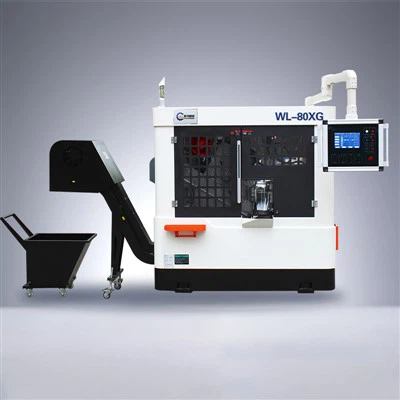
Hey there! As a supplier of bar cutting machines, I've seen firsthand how crucial it is to optimize the cutting process. Not only does it save time and money, but it also improves the quality of the cuts. In this blog post, I'm gonna share some tips and tricks on how to optimize the cutting process of a bar cutting machine.
Choose the Right Machine
The first step in optimizing the cutting process is to choose the right machine for the job. There are many different types of bar cutting machines available, each with its own strengths and weaknesses. For example, if you need to cut through thick bars, you might want to consider a Heavy Duty Metal Cutting Circular Saw. On the other hand, if you're working with stainless steel bars, a Stainless Steel Bar Cutting Machine might be a better choice.
Another thing to consider is the size of the machine. You want to make sure that the machine you choose is big enough to handle the bars you need to cut, but not so big that it's difficult to maneuver. If you're not sure which machine is right for you, don't hesitate to reach out to us. We're always happy to help you find the perfect machine for your needs.
Use the Right Blade
Once you've chosen the right machine, the next step is to use the right blade. The blade is one of the most important parts of the cutting process, as it determines the quality of the cuts. There are many different types of blades available, each designed for a specific type of material and cutting application.
For example, if you're cutting through steel bars, you might want to use a high-speed steel blade. These blades are designed to withstand the high temperatures and pressures generated by cutting through steel, and they can provide a clean, precise cut. On the other hand, if you're cutting through aluminum bars, you might want to use a carbide-tipped blade. These blades are more expensive than high-speed steel blades, but they can provide a faster, more efficient cut.
It's also important to make sure that the blade is sharp. A dull blade can cause the machine to work harder than it needs to, which can lead to increased wear and tear on the machine and a poor quality cut. Make sure to replace the blade regularly, and keep a spare blade on hand in case you need to make a quick replacement.
Set the Right Speed and Feed Rate
In addition to choosing the right machine and blade, it's also important to set the right speed and feed rate. The speed and feed rate determine how fast the blade moves through the material and how much pressure is applied to the material. If the speed and feed rate are set too high, the blade can overheat and become damaged. On the other hand, if the speed and feed rate are set too low, the cutting process can take longer than it needs to, and the quality of the cuts can be poor.
The optimal speed and feed rate will depend on a number of factors, including the type of material you're cutting, the size and thickness of the bars, and the type of blade you're using. Most bar cutting machines come with a speed and feed rate chart that can help you determine the optimal settings for your specific application. If you're not sure what settings to use, don't hesitate to reach out to us. We can help you find the right settings for your machine and your application.
Keep the Machine Clean and Lubricated
Another important step in optimizing the cutting process is to keep the machine clean and lubricated. Over time, dirt, debris, and metal shavings can build up on the machine, which can cause it to work less efficiently and can lead to increased wear and tear on the machine. Make sure to clean the machine regularly, and use a lubricant to keep the moving parts running smoothly.
It's also important to check the machine for any signs of wear and tear, such as loose belts, worn bearings, or damaged blades. If you notice any problems, make sure to address them as soon as possible. Ignoring small problems can lead to bigger problems down the road, which can be more expensive and time-consuming to fix.
Train Your Operators
Finally, it's important to train your operators on how to use the bar cutting machine properly. Even the best machine in the world won't perform well if it's not being used correctly. Make sure that your operators are familiar with the machine's controls, safety features, and maintenance requirements. Provide them with regular training and refresher courses to keep their skills up-to-date.
In addition to training your operators on how to use the machine, it's also important to encourage them to take pride in their work. A well-trained and motivated operator can make a big difference in the quality of the cuts and the efficiency of the cutting process.
Conclusion
Optimizing the cutting process of a bar cutting machine is essential for saving time, money, and improving the quality of the cuts. By choosing the right machine, using the right blade, setting the right speed and feed rate, keeping the machine clean and lubricated, and training your operators, you can ensure that your bar cutting machine is performing at its best.
If you're in the market for a new bar cutting machine, or if you need help optimizing the cutting process of your existing machine, don't hesitate to reach out to us. We're a leading supplier of Customize Multiple Models Of High-speed Circular Saw Machines For Cutting Round Steel And Aluminum Bars, With High Precision And Unmanned Operation, and we're always happy to help you find the perfect machine for your needs. Contact us today to learn more!


References
- "Bar Cutting Machine Operation and Maintenance Manual"
- "Blade Selection Guide for Bar Cutting Machines"
- "Best Practices for Optimizing the Cutting Process of a Bar Cutting Machine"