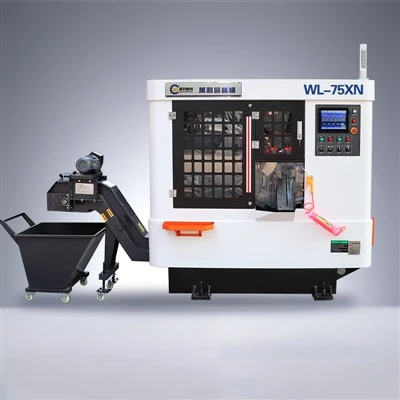
Hey there! As a supplier of Circular Low Saws, I've seen my fair share of issues that customers run into. In this blog, I'll be talking about the common problems with a Circular Low Saw and how you can deal with them.
1. Blade Wear and Tear
One of the most common problems with Circular Low Saws is blade wear and tear. Over time, the blade gets dull and loses its cutting efficiency. This happens because the blade is constantly in contact with the material being cut, and the friction causes the teeth to wear down.
When the blade is dull, it not only cuts slower but also produces a rougher finish on the material. You might notice that the saw is struggling to cut through the material, or it's leaving burn marks. To fix this issue, you need to replace the blade regularly. Make sure to choose a high - quality blade that's suitable for the type of material you're cutting. For example, if you're cutting metal, you'll need a blade designed specifically for metal cutting.
2. Motor Overheating
Another frequent problem is motor overheating. The motor in a Circular Low Saw works hard to spin the blade at high speeds, and if it's overworked, it can overheat. This can be caused by several factors, such as continuous use without breaks, cutting through thick or hard materials for too long, or a blocked ventilation system.
When the motor overheats, it can cause damage to the internal components and even lead to a complete motor failure. To prevent this, give your saw some rest periods during long - term use. Also, make sure the ventilation holes on the saw are clean and unblocked. If you notice that the motor is getting too hot, stop using the saw immediately and let it cool down.
3. Inaccurate Cutting
Inaccurate cutting is a problem that can really mess up your projects. It can be caused by a few things, like a loose blade, a misaligned guide, or a worn - out table. When the blade is loose, it can wobble during cutting, resulting in a crooked cut. A misaligned guide means the saw won't follow the intended path, and a worn - out table might not provide a stable surface for cutting.
To ensure accurate cutting, regularly check the tightness of the blade and make sure the guide is properly aligned. You can also consider upgrading to a Circular Saw Machine CNC. These machines are equipped with advanced technology that can improve the cutting accuracy significantly.
4. Vibration Issues
Excessive vibration is not only annoying but also a sign that something is wrong with your Circular Low Saw. This can be due to an unbalanced blade, a loose drive belt, or a problem with the motor mounting. When the saw vibrates too much, it becomes harder to control, and it can also affect the quality of the cut.
To fix vibration issues, start by checking the balance of the blade. If it's unbalanced, you may need to replace it. Also, inspect the drive belt to make sure it's properly tensioned. If the problem persists, there might be an issue with the motor mounting, and it's best to have a professional take a look.
5. Dust and Debris Buildup
Dust and debris buildup is a common problem in all types of power tools, including Circular Low Saws. When cutting materials like wood, metal, or plastic, a lot of dust and small particles are generated. If these aren't removed regularly, they can clog the ventilation system, damage the motor, and even affect the performance of the blade.
To prevent dust and debris buildup, use a dust collection system if your saw is equipped with one. You can also clean the saw after each use with a brush or compressed air. Make sure to pay special attention to the ventilation holes and the area around the blade.
6. Safety Switch Malfunctions
The safety switch on a Circular Low Saw is a crucial component that's designed to prevent accidental starts. However, it can sometimes malfunction. This can be due to wear and tear, dirt and debris getting into the switch, or electrical problems.
If the safety switch is not working properly, it poses a serious safety risk. You should always test the safety switch before using the saw. If you notice that it's not functioning correctly, stop using the saw immediately and have it repaired by a professional.
7. Noise Problems
A noisy Circular Low Saw can be a sign of a problem. Excessive noise can be caused by a loose part, a worn - out bearing, or a misaligned blade. While some noise is normal during operation, if the noise level suddenly increases or changes in pitch, it's a red flag.


To address noise problems, first, check for any loose parts and tighten them if necessary. If the bearing is worn out, it will need to be replaced. And as always, make sure the blade is properly aligned.
Solutions and Our Product Offerings
At our company, we understand these common problems and have designed our Circular Low Saws to minimize them. We offer high - quality blades that are durable and long - lasting, reducing the frequency of blade replacements. Our motors are built to handle heavy loads without overheating easily, and we provide clear instructions on proper usage and maintenance.
If you're looking for a more advanced solution, we have the Heavy - cutting Type CNC Circular Saw Machine. This machine is perfect for heavy - duty cutting tasks and offers high precision and efficiency. We also have the Sawing And Cutting Dual - purpose Sawing Machine, which provides versatility for different types of cutting jobs.
If you're experiencing any of these problems with your current Circular Low Saw or are in the market for a new one, don't hesitate to reach out. Our team of experts is ready to assist you in finding the perfect saw for your needs and can provide you with all the support and advice you need for proper maintenance and operation.
Conclusion
In conclusion, while Circular Low Saws are incredibly useful tools, they do come with their fair share of problems. By being aware of these common issues and taking the necessary steps to prevent and address them, you can ensure that your saw lasts longer and performs at its best. Whether you're a professional in the woodworking or metalworking industry or a DIY enthusiast, choosing the right saw and maintaining it properly is key to successful projects.
If you're interested in learning more about our Circular Low Saws or other products, or if you have any questions, feel free to contact us for a procurement discussion. We're here to help you make the right choice for your business or personal needs.
References
- Woodworking Machinery Handbook
- Metal Cutting Tool Handbook