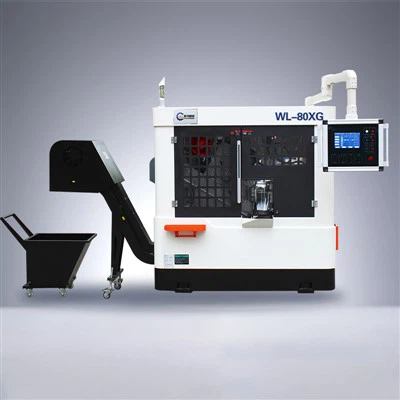
Hey there! As a supplier of steel rod cutting machines, I've seen firsthand how these powerful tools can make a huge difference in metalworking projects. But like any piece of heavy machinery, they come with their own set of risks. So, I thought I'd share some safety precautions to keep in mind when using a steel rod cutting machine.
Pre - operation Checks
Before you even think about turning on the machine, there are a few things you need to do. First off, give the machine a thorough visual inspection. Look for any signs of damage, like cracks in the housing, loose parts, or frayed wires. If you spot anything suspicious, don't use the machine until it's been properly repaired.
Check the cutting blade as well. Make sure it's sharp and in good condition. A dull blade can not only make the cutting process more difficult but also increase the risk of kickback. If the blade is damaged or worn out, replace it with a new one. You can find high - quality blades for our Bar stock cutting sawing machine that are designed to fit perfectly and perform optimally.
Also, verify that all the safety guards are in place and functioning correctly. These guards are there for a reason – they protect you from flying debris, sparks, and moving parts. Don't be tempted to remove them, even if it seems like they're getting in the way.
Personal Protective Equipment (PPE)
Wearing the right PPE is non - negotiable when using a steel rod cutting machine. Start with safety glasses or goggles. They'll shield your eyes from chips, dust, and sparks that can cause serious eye injuries. I've seen too many cases where people thought they could get away without them, and it ended up badly.
Next, put on a pair of heavy - duty work gloves. They'll protect your hands from cuts, abrasions, and burns. Just make sure they're not too loose, as loose gloves can get caught in the moving parts of the machine.
A face shield is also a great addition, especially if you're working with a machine that generates a lot of sparks or debris. It provides an extra layer of protection for your face and neck.


And don't forget about ear protection. Steel rod cutting machines can be really loud, and prolonged exposure to that noise can damage your hearing. Earplugs or earmuffs will help keep your ears safe.
Machine Setup
When setting up the steel rod cutting machine, make sure it's placed on a stable and level surface. An unstable machine can vibrate during operation, which not only affects the quality of the cut but also increases the risk of accidents.
Secure the steel rod properly before starting the cutting process. Use the appropriate clamps or fixtures to hold it in place. If the rod isn't held firmly, it can move around while being cut, leading to uneven cuts and potential kickback.
Adjust the cutting speed and depth according to the type and thickness of the steel rod you're working with. Refer to the machine's manual for the recommended settings. Using the wrong settings can overheat the blade, damage the machine, and put you at risk.
During Operation
Once the machine is up and running, stay focused. Don't let your mind wander or get distracted by other things. Keep your hands and fingers away from the cutting area at all times. Use the appropriate tools, like push sticks or tongs, to feed the rod into the machine.
Don't force the rod through the blade. Let the machine do the work at its own pace. Forcing it can cause the blade to bind, which can lead to kickback or blade breakage.
If you notice any unusual noises, vibrations, or smells during operation, stop the machine immediately. These could be signs of a problem, and continuing to use the machine could make the situation worse.
Post - operation
After you're done cutting, turn off the machine and unplug it from the power source. This is a simple step, but it's crucial for preventing accidental starts.
Let the blade cool down before handling it or performing any maintenance. A hot blade can cause burns.
Clean up the work area. Remove any metal chips, dust, or debris. This not only keeps your workspace tidy but also reduces the risk of slips, trips, and falls.
Regularly maintain the machine. Lubricate the moving parts, check the belts and pulleys, and replace any worn - out components. Proper maintenance will keep the machine in good working condition and extend its lifespan. You can learn more about the maintenance of our CNC Metal Circular Cold Saw Machine in the product manual.
Training and Certification
It's essential that anyone using a steel rod cutting machine receives proper training. This training should cover the machine's operation, safety features, and maintenance. A trained operator is less likely to make mistakes that could lead to accidents.
Some regions may require operators to be certified to use certain types of cutting machines. Make sure you and your team are aware of these requirements and comply with them.
Emergency Preparedness
Have an emergency plan in place. Know where the emergency stop button is located on the machine and how to use it. Also, make sure there's a fire extinguisher nearby in case of a fire.
In case of an injury, have a first - aid kit readily available and know how to use it. It's a good idea to have someone on the team who's trained in first - aid.
Conclusion
Using a steel rod cutting machine can be a great way to get the job done efficiently, but safety should always be your top priority. By following these safety precautions, you can minimize the risks and ensure a safe working environment.
If you're in the market for a high - quality steel rod cutting machine, we've got you covered. Our Circular Saw Machine High Speed Metal is designed with the latest technology and built to last. It's also equipped with a range of safety features to give you peace of mind.
If you have any questions or would like to discuss your specific needs, feel free to reach out to us. We're here to help you find the perfect machine for your project and ensure you know how to use it safely.
References
- Manufacturer's manuals for steel rod cutting machines
- Occupational Safety and Health Administration (OSHA) guidelines for metalworking machinery
- Industry best practices for safe operation of cutting equipment