

As a supplier of Circular Sawing Systems, I understand the critical importance of safety regulations when operating these powerful machines. Circular sawing systems are widely used in various industries, including metalworking, woodworking, and construction, to cut through different materials efficiently. However, their high - speed rotating blades can pose significant risks if not handled properly. In this blog, I will discuss the essential safety regulations for operating circular sawing systems to ensure the well - being of operators and maintain a safe working environment.
Pre - operation Safety Checks
Before starting the circular sawing system, a series of pre - operation safety checks should be carried out. First and foremost, inspect the saw blade. Ensure that the blade is in good condition, without any cracks, chips, or excessive wear. A damaged blade can break during operation, leading to serious injuries. Check the blade's size and type to make sure it is suitable for the material you are going to cut. For example, a blade designed for cutting wood may not be appropriate for cutting metal, and vice versa. You can refer to the Circular saw machine instructions for detailed information on blade selection.
Next, examine the machine's guards. The guards are designed to protect the operator from the rotating blade. Make sure all guards are in place and functioning correctly. The blade guard should cover the top and sides of the blade, and the riving knife (if applicable) should be properly installed and adjusted. The riving knife helps prevent the workpiece from pinching the blade, reducing the risk of kickback.
Check the power supply and electrical components. Ensure that the power cord is not damaged, and there are no exposed wires. The machine should be properly grounded to prevent electric shock. Also, make sure all switches and controls are working properly and can be easily accessed by the operator.
Inspect the work area. Clear the area of any debris, tools, or other objects that could interfere with the operation of the saw. Make sure the workbench or surface is stable and level to prevent the workpiece from moving during cutting.
Personal Protective Equipment (PPE)
Wearing appropriate personal protective equipment is crucial when operating circular sawing systems. The following PPE items are recommended:
Safety Glasses or Goggles: Protect your eyes from flying debris, such as wood chips, metal shavings, or dust. Make sure the safety glasses or goggles have side shields for full protection.
Hearing Protection: Circular saws can produce high - decibel noise levels, which can cause hearing damage over time. Wear earplugs or earmuffs to reduce the noise exposure.
Respiratory Protection: Depending on the material being cut, dust and fumes may be generated. If cutting wood, for example, fine dust particles can be inhaled, which may cause respiratory problems. Use a dust mask or respirator to protect your lungs.
Gloves: Wear gloves to protect your hands from cuts and abrasions. However, make sure the gloves are not too loose, as loose gloves can get caught in the rotating blade.
Apron or Protective Clothing: Wear an apron or other protective clothing to protect your body from debris and splashes. Avoid wearing loose - fitting clothing that could get caught in the machine.
Operating Procedures
When operating the circular sawing system, follow these safe operating procedures:
Secure the Workpiece: Use clamps or other appropriate methods to secure the workpiece firmly to the workbench or surface. This prevents the workpiece from moving during cutting, reducing the risk of kickback and inaccurate cuts.
Position Yourself Correctly: Stand to the side of the saw blade, not directly in line with it. This reduces the risk of being hit by flying debris or the blade in case of a malfunction.
Start the Saw Properly: Turn on the saw and let it reach full speed before making contact with the workpiece. This ensures a smooth and efficient cut.
Feed the Workpiece Slowly and Steadily: Do not force the workpiece through the blade. Let the saw do the work. Feed the workpiece at a consistent rate to prevent the blade from binding or overheating.
Avoid Overreaching: Do not overreach across the saw blade. If you need to reach for something, turn off the saw first and wait for the blade to stop completely.
Do Not Remove the Guards While the Saw is Running: The guards are there for your protection. Removing them while the saw is running is extremely dangerous and can lead to serious injuries.
Maintenance and Servicing
Regular maintenance and servicing of the circular sawing system are essential to ensure its safe and efficient operation.
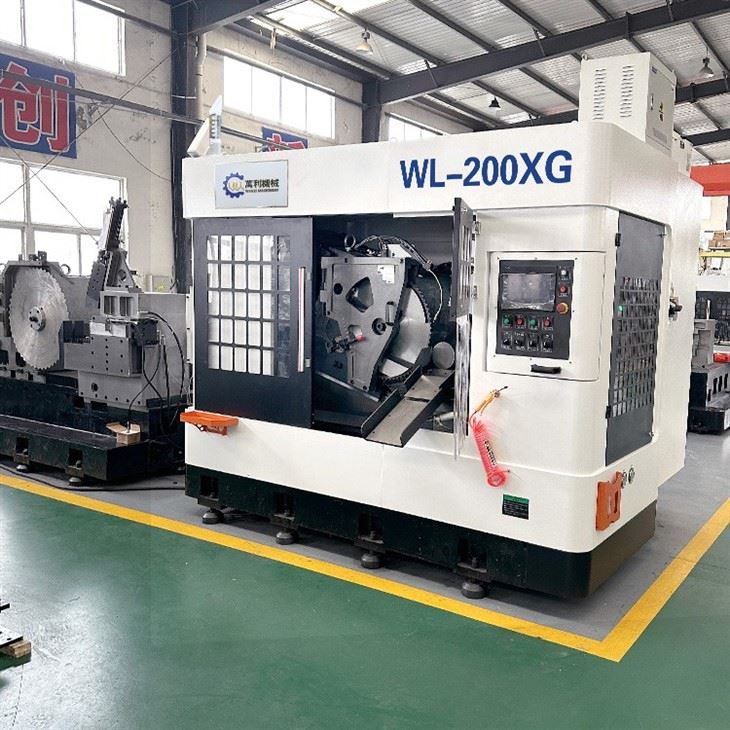
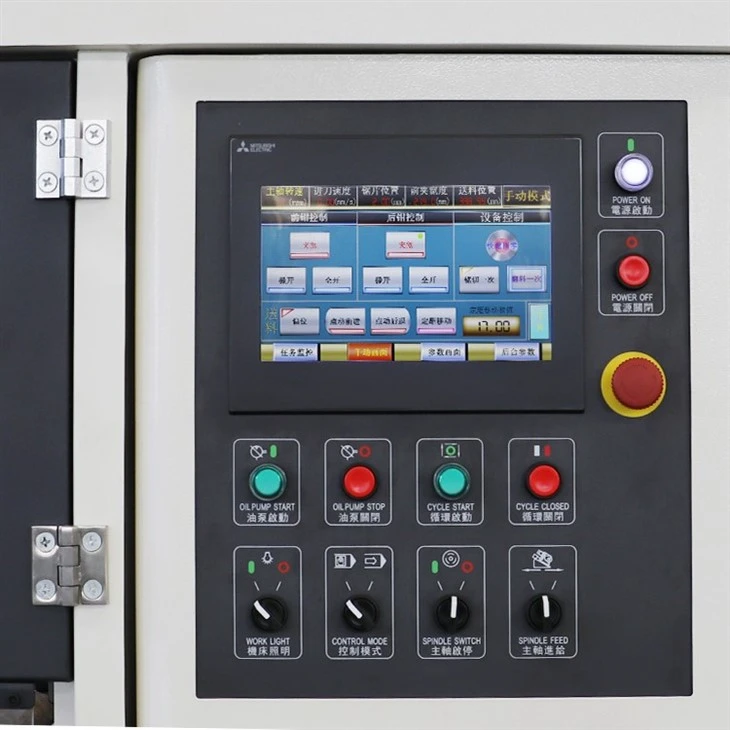
Clean the Machine Regularly: Remove dust, debris, and other contaminants from the saw blade, guards, and other parts of the machine. This helps prevent the build - up of material that could affect the performance of the saw.
Lubricate Moving Parts: Lubricate the moving parts of the saw, such as the blade arbor and bearings, according to the manufacturer's recommendations. This reduces friction and wear, extending the life of the machine.
Replace Worn Parts: Replace any worn or damaged parts, such as saw blades, belts, and brushes, as soon as possible. Using worn parts can increase the risk of accidents and reduce the efficiency of the machine.
Have the Machine Serviced by a Qualified Technician: Periodically, have the circular sawing system serviced by a qualified technician. They can perform a thorough inspection, adjust the machine, and make any necessary repairs.
Emergency Procedures
In case of an emergency, it is important to know what to do.
Stop the Machine Immediately: If something goes wrong, such as a blade breakage or a workpiece getting stuck, turn off the saw immediately. This can prevent further damage and reduce the risk of injury.
Evacuate the Area if Necessary: If there is a fire or other serious hazard, evacuate the area and follow the emergency evacuation procedures of your workplace.
Seek Medical Attention: If an operator is injured, seek medical attention immediately. Provide first aid if possible, but do not attempt to treat serious injuries on your own.
Conclusion
Operating circular sawing systems safely requires strict adherence to safety regulations, proper pre - operation checks, the use of appropriate personal protective equipment, and regular maintenance. By following these guidelines, operators can minimize the risk of accidents and ensure a safe working environment.
If you are in the market for a high - quality circular sawing system, we offer a wide range of products, including Automatic Circular Saw Cutting Metal Machine and Circular Saw Machine CNC. Our systems are designed with safety in mind and are built to meet the highest industry standards.
If you have any questions or would like to discuss your specific requirements, please feel free to reach out to us for a procurement negotiation. We are committed to providing you with the best solutions for your cutting needs.
References
- OSHA (Occupational Safety and Health Administration) guidelines on power saw safety.
- Manufacturer's manuals for circular sawing systems.


