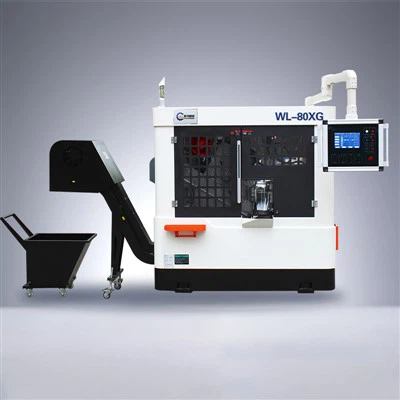
Hey there! As a supplier of Circular Sawing Systems, I often get asked about the blade life of these systems. It's a crucial topic, as the blade life directly impacts the efficiency and cost - effectiveness of your cutting operations. So, let's dig deep into what determines the blade life of Circular Sawing Systems.
Factors Affecting Blade Life
Material Being Cut
The type of material you're cutting is one of the most significant factors. Different materials have different hardness and abrasiveness. For instance, cutting soft materials like aluminum is a breeze for circular saw blades. The blades experience less wear and tear, and as a result, they tend to last longer. On the other hand, when you're cutting hard materials such as stainless steel or high - carbon steel, the blades face a much tougher challenge. The hardness of these materials causes more friction and abrasion on the blade teeth, which shortens the blade life.
If you're in the business of cutting heavy - duty metals, you might be interested in our Heavy Duty Metal Cutting Circular Saw. It's designed to handle tough materials with ease, and with proper blade selection, you can optimize the blade life even when dealing with the most challenging cuts.
Cutting Speed and Feed Rate
The cutting speed and feed rate also play a huge role. If the cutting speed is too high, the blade can overheat. Overheating causes the blade to lose its hardness and sharpness, leading to premature wear. Similarly, if the feed rate is too fast, the blade has to work harder to cut through the material, which can also cause excessive wear. On the flip side, if the cutting speed and feed rate are too low, the blade may not cut efficiently, and it will take longer to complete the cut. This can also lead to unnecessary wear on the blade.
Finding the right balance between cutting speed and feed rate is essential. Our Automatic High Speed Circular Saw Machine allows you to adjust these parameters easily, so you can find the optimal settings for your specific cutting needs. This helps in extending the blade life and improving the overall cutting performance.
Blade Quality and Type
The quality of the blade itself is a no - brainer. High - quality blades are made from better materials and are manufactured with more precision. They have better tooth geometry and are heat - treated to withstand the rigors of cutting. When it comes to blade type, there are different options available, such as carbide - tipped blades and high - speed steel (HSS) blades.
Carbide - tipped blades are extremely hard and are great for cutting hard materials. They can maintain their sharpness for a longer time compared to HSS blades. However, they are also more expensive. HSS blades, on the other hand, are more affordable and are suitable for cutting softer materials. Choosing the right blade type for your application is crucial for maximizing the blade life.


Maintenance and Lubrication
Proper maintenance and lubrication are often overlooked but are vital for extending the blade life. Regularly cleaning the blade to remove debris and chips can prevent them from causing additional wear. Lubrication is also key. Using the right cutting fluid can reduce friction and heat during the cutting process. This not only helps in extending the blade life but also improves the quality of the cut.
Measuring Blade Life
Measuring blade life isn't as straightforward as it might seem. There's no one - size - fits - all answer. Blade life can be measured in terms of the number of cuts, the total cutting length, or the time of use.
For example, if you're cutting small pieces of a relatively soft material, you might measure the blade life in the number of cuts. On the other hand, if you're cutting long bars or tubes, measuring the total cutting length might be more appropriate.
It's also important to note that blade life can vary from one application to another. What works well in one situation might not work as well in another. That's why it's essential to keep track of your cutting operations and analyze the blade performance over time.
Tips for Extending Blade Life
- Select the Right Blade: As mentioned earlier, choosing the right blade type and quality for your application is crucial. Don't skimp on the blade; investing in a good - quality blade can save you money in the long run.
- Optimize Cutting Parameters: Take the time to find the right cutting speed and feed rate for your material. This might require some trial and error, but it's worth it to extend the blade life.
- Maintain the Blade: Regularly clean the blade and use the right cutting fluid. This simple step can make a big difference in the blade's performance and longevity.
- Train Your Operators: Make sure your operators are trained on proper cutting techniques and blade handling. A well - trained operator can use the blade more efficiently and prevent unnecessary wear.
Conclusion
In conclusion, the blade life of Circular Sawing Systems is influenced by multiple factors, including the material being cut, cutting speed and feed rate, blade quality and type, and maintenance and lubrication. By understanding these factors and taking the necessary steps to optimize them, you can significantly extend the blade life.
If you're in the market for a Circular Sawing System or need more information on how to improve the blade life of your existing system, we're here to help. Whether you need a Heavy Duty Metal Cutting Circular Saw, a Steel Bar Cutting Machine, or an Automatic High Speed Circular Saw Machine, we have the products and expertise to meet your needs.
Don't hesitate to reach out to us for more details and to start a procurement discussion. We're eager to work with you to find the best solutions for your cutting operations.
References
- "Cutting Tool Technology" by John A. Schey
- "Metal Cutting Principles" by Peter K. Wright