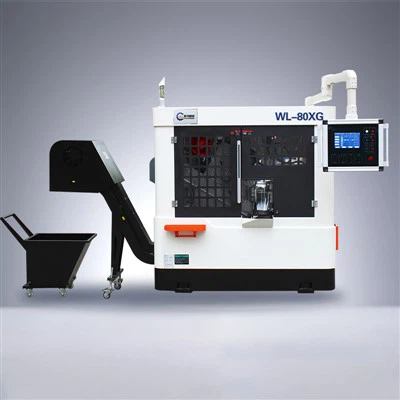
Hey there! As a supplier of TCT Blade Saw Machines, I know how crucial it is to store the blades properly to prevent damage. TCT (Tungsten Carbide Tipped) blades are the heart of these saw machines, and keeping them in top - notch condition can save you a lot of money and headaches in the long run. So, let's dive into the best blade storage methods.
Why Proper Storage Matters
First off, you might be wondering why we're even talking about storage. Well, a damaged TCT blade can lead to poor cutting performance. You'll notice rough cuts, inaccurate sizing, and it might even cause the saw machine to work harder than it should, which can lead to more wear and tear on the machine itself. Plus, replacing TCT blades can be costly, so by storing them correctly, you're essentially saving your bottom line.
Cleaning the Blades Before Storage
Before you even think about putting the blades away, you've got to clean them. After a long day of cutting through metal, wood, or whatever material you're working with, the blades can get covered in debris, dust, and even some sticky residue. Use a soft - bristle brush to gently remove any loose particles. For the stubborn stuff, you can use a mild solvent. Just make sure it's safe for the blade material. Once you've cleaned it, dry the blade thoroughly. Any moisture left on the blade can lead to rust, and that's a big no - no.
Choosing the Right Storage Space
The environment where you store your TCT blades plays a huge role in their longevity. You want a cool, dry place. Avoid areas that are prone to high humidity, like basements that flood or areas near leaky pipes. High humidity can cause the metal parts of the blade to rust, and the carbide tips can start to degrade. A temperature - controlled storage room is ideal, but if that's not possible, at least try to keep the blades away from direct sunlight and extreme temperature changes.
Using Blade Covers
Blade covers are a must - have. They protect the sharp edges of the TCT blade from getting nicked or damaged. You can find blade covers made of plastic or rubber that are specifically designed for TCT blades. When you're not using the blade, simply slip the cover on. It's a quick and easy way to add an extra layer of protection. And if you're transporting the blades, blade covers are even more important to prevent any accidental damage during transit.
Storing Blades Vertically
One of the best ways to store TCT blades is vertically. When you stack blades horizontally, the weight of the top blades can put pressure on the ones below, causing the blades to warp. Warped blades are useless because they won't cut accurately. You can use a blade rack or a wall - mounted storage system to keep the blades standing upright. This way, each blade is supported properly, and there's no risk of them getting bent out of shape.
Keeping Blades Separated
Don't just toss all your TCT blades into a big bin together. They can knock against each other, causing the tips to chip or break. Use dividers or individual compartments to keep the blades separated. If you're using a storage box, you can cut up some cardboard or use foam inserts to create separate sections for each blade. This simple step can make a huge difference in preventing blade damage.
Lubricating the Blades
Lubrication is another important aspect of blade storage. A light coat of anti - rust oil can protect the blade from oxidation. You don't need to drench the blade in oil; just a thin layer will do. Apply the oil evenly using a clean cloth. This will not only prevent rust but also make it easier to clean the blade the next time you use it.
Regular Inspections
Even if you're following all the best storage practices, it's still a good idea to inspect your blades regularly. Check for any signs of damage, like chipped carbide tips, cracks in the blade body, or rust spots. If you catch a problem early, you can take steps to fix it before it gets worse. Maybe you can sharpen a slightly dull blade or replace a damaged tip.
Special Considerations for Different Saw Machines
If you're using different types of saw machines, like a Hydraulic Circular Saw Machine, a High Speed Metal Circular Saw Machine, or a CNC metal cold circular saw machine, the blades might have different requirements. For example, the blades for a high - speed saw machine might need to be stored more carefully because they're designed to cut at very high speeds and any damage can be more catastrophic. Make sure you understand the specific needs of each type of blade.


Conclusion
Proper storage of TCT blades for your saw machines is not rocket science, but it does require a bit of attention to detail. By cleaning the blades, choosing the right storage space, using blade covers, storing them vertically, keeping them separated, lubricating them, and doing regular inspections, you can significantly extend the life of your TCT blades. This means better cutting performance, less downtime for blade replacement, and more savings for your business.
If you're in the market for high - quality TCT Blade Saw Machines or need more advice on blade storage and maintenance, don't hesitate to reach out. We're here to help you get the most out of your sawing equipment.
References
- "Saw Blade Maintenance and Storage Guide" - Industry Standard Handbook
- "Best Practices for TCT Blade Care" - Metalworking Magazine