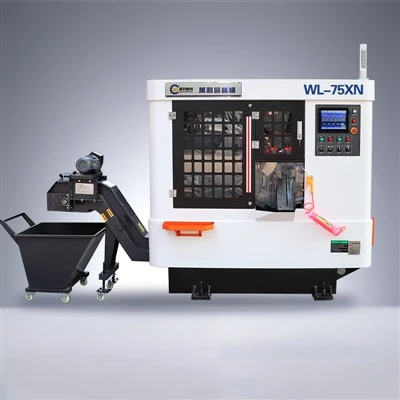
As a trusted supplier of Automatic Circular Saws, I am excited to delve into the intricacies of the control panel functions of these remarkable machines. Automatic circular saws are indispensable tools in various industries, offering precision cutting and high efficiency. The control panel serves as the nerve center of these machines, allowing operators to manage and optimize their performance.
Basic Control Functions
The control panel of an automatic circular saw typically features a range of basic control functions that are essential for its operation. At the heart of the panel are the power switch and emergency stop button. The power switch is the first point of interaction, enabling the operator to turn the machine on and off. It is a simple yet crucial function that ensures the safe and proper startup and shutdown of the saw.
The emergency stop button, on the other hand, is a safety feature designed to immediately halt all machine operations in case of an emergency. This button is strategically placed on the control panel for easy access, allowing operators to quickly respond to any unexpected situations. When pressed, it cuts off the power supply to the saw, preventing further movement and potential hazards.
Another fundamental control function is the speed control. Automatic circular saws are capable of cutting at different speeds depending on the material being cut and the desired finish. The speed control on the panel allows operators to adjust the rotation speed of the saw blade. This is important because different materials require different cutting speeds for optimal results. For example, cutting through soft materials like wood may require a higher speed, while cutting through hard metals like steel may require a lower speed to prevent blade damage and ensure a clean cut.
Cutting Parameter Settings
In addition to basic control functions, the control panel also provides options for setting cutting parameters. One of the key parameters is the cutting length. Operators can input the desired length of the cut on the control panel, and the machine will automatically measure and cut the material to the specified length. This feature is particularly useful in industries where precision cutting is required, such as in the manufacturing of metal pipes or wooden beams.
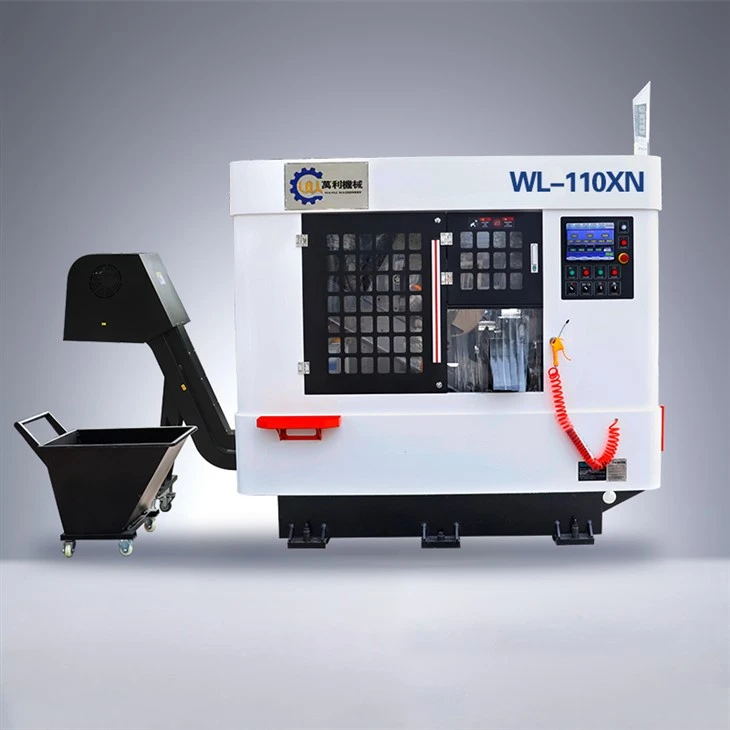

The cutting angle is another important parameter that can be set on the control panel. Some automatic circular saws are equipped with the ability to cut at different angles, allowing for more complex cutting tasks. Operators can adjust the cutting angle according to their specific requirements, enabling them to create angled cuts for various applications, such as in the construction of furniture or the fabrication of metal structures.
Feed rate is also a crucial cutting parameter that can be controlled through the panel. The feed rate refers to the speed at which the material is fed into the saw blade. Adjusting the feed rate is important because it affects the quality of the cut and the lifespan of the saw blade. A too-high feed rate may cause the blade to overheat and wear out quickly, while a too-low feed rate may result in a slow and inefficient cutting process. The control panel allows operators to fine-tune the feed rate to achieve the best balance between cutting speed and quality.
Material Handling and Clamping
The control panel also plays a role in material handling and clamping. Automatic circular saws are often equipped with mechanisms for holding the material in place during the cutting process. The control panel allows operators to control the clamping force, ensuring that the material is securely held without causing damage. This is important because a loose or unstable material can lead to inaccurate cuts and pose a safety risk.
Some advanced automatic circular saws also feature automated material feeding systems. The control panel enables operators to set the feeding distance and speed of the material, allowing for continuous and efficient cutting. This is particularly useful in high-volume production environments where large quantities of materials need to be cut quickly and accurately.
Safety and Monitoring Features
Safety is a top priority in any industrial setting, and the control panel of an automatic circular saw is designed with several safety and monitoring features. One of the safety features is the overload protection. The control panel is equipped with sensors that monitor the power consumption of the saw. If the power consumption exceeds a certain limit, indicating an overload, the machine will automatically shut down to prevent damage to the motor and the saw blade.
Another important safety feature is the blade protection system. The control panel can detect if the saw blade is damaged or worn out and will alert the operator. This helps to prevent accidents and ensures that the machine is always operating with a sharp and safe blade.
In addition to safety features, the control panel also provides monitoring functions. It can display real-time information about the machine's operating status, such as the current cutting speed, the remaining cutting length, and the temperature of the saw blade. This information allows operators to keep track of the machine's performance and make necessary adjustments to ensure optimal operation.
Integration with Other Systems
Modern automatic circular saws are often designed to be integrated with other systems in the production line. The control panel can be connected to a computer or a programmable logic controller (PLC) to enable remote control and monitoring. This allows for greater flexibility and efficiency in the production process.
For example, in a fully automated production line, the control panel of the automatic circular saw can be integrated with a conveyor system. The conveyor system can automatically feed the material to the saw, and the control panel can communicate with the conveyor to coordinate the feeding process. This integration eliminates the need for manual intervention, reducing labor costs and increasing productivity.
Conclusion
In conclusion, the control panel of an automatic circular saw is a vital component that plays a crucial role in its operation. It provides a wide range of functions, from basic control to advanced cutting parameter settings, material handling, safety features, and integration with other systems. By understanding and utilizing the capabilities of the control panel, operators can optimize the performance of the automatic circular saw, achieve precise cuts, and improve overall productivity.
If you are in the market for an automatic circular saw, we offer a wide range of high-quality machines to meet your needs. Our Steel pipe cutting circular saw machine is designed specifically for cutting steel pipes with precision and efficiency. Our High speed large circular saw machine is capable of handling large-sized materials at high speeds, making it ideal for high-volume production. And our Round pipe cutting machine is perfect for cutting round pipes of various diameters.
We invite you to contact us to discuss your specific requirements and explore how our automatic circular saws can enhance your production process. Our team of experts is ready to assist you in finding the right machine for your needs and providing you with the best solutions.
References
- "Industrial Cutting Equipment Handbook"
- "Advanced Machining Technology"
- "Automation in Manufacturing Processes"