

In the realm of construction and fabrication, the steel bar cutting machine stands as an indispensable tool. At the heart of its efficiency lies the cutting - edge sharpness retention of its blades. As a leading steel bar cutting machine supplier, we understand the significance of this aspect and dedicate ourselves to providing machines with blades that offer unparalleled performance.
Understanding Sharpness Retention
Sharpness retention refers to the ability of a blade to maintain its cutting edge over a period of time and through multiple cutting operations. For a steel bar cutting machine, this is crucial as dull blades can lead to a host of problems. When the blades lose their sharpness, they require more force to cut through the steel bars. This not only reduces the cutting efficiency but can also overwork the machine's motor, leading to increased energy consumption and potential breakdowns. Moreover, a dull blade may produce rough and uneven cuts, which can compromise the quality of the construction materials and the final product.
Several factors contribute to the sharpness retention of a steel bar cutting machine's blades. One of the most important is the quality of the blade material. High - grade alloys are often used in the manufacturing of these blades. For instance, tungsten carbide - tipped blades are widely recognized for their excellent hardness and wear resistance. Tungsten carbide has a high melting point and is extremely tough, making it resistant to abrasion caused by continuous contact with the hard steel bars. This means that even after numerous cutting cycles, the cutting edge of the blade remains relatively sharp.
The heat treatment process of the blade also plays a vital role. Proper heat treatment can enhance the hardness and toughness of the blade material. When a blade is heated to a specific temperature and then rapidly cooled (quenched), its microstructure changes, resulting in increased hardness. However, this process needs to be carefully controlled to avoid making the blade too brittle. After quenching, the blade is usually tempered to relieve internal stresses and improve its toughness. A well - heat - treated blade can better withstand the mechanical stresses during cutting, thus maintaining its sharpness for a longer time.
The Impact of Blade Design
The design of the blade is another key factor in sharpness retention. Our company's steel bar cutting machine blades are engineered with precision. The tooth geometry of the blade has a direct impact on the cutting performance. For example, a well - designed tooth shape can reduce the cutting force required. A blade with a positive rake angle allows for smoother cutting as it helps to lift the chips away from the cutting area. This not only improves the cutting efficiency but also reduces the wear on the blade.
In addition, the blade's width and thickness are carefully considered during the design process. A wider blade can provide more support and stability during cutting, which helps prevent the blade from bending or vibrating. Excessive vibration can cause the blade to wear unevenly and dull quickly. On the other hand, the thickness of the blade needs to be optimized. A blade that is too thin may not be strong enough to withstand the cutting forces, while a blade that is too thick can increase the cutting resistance.
Real - World Applications and Benefits
In real - world construction and manufacturing scenarios, the sharpness retention of our steel bar cutting machine blades offers significant benefits. For large - scale construction projects, time is of the essence. Our machines with blades that retain their sharpness can cut through steel bars at a consistent speed, reducing the overall project time. This is especially important when dealing with tight deadlines.
In the metal fabrication industry, the quality of the cuts is paramount. Our blades ensure clean and precise cuts, which are essential for subsequent fabrication processes such as welding and assembly. The sharpness retention also means less frequent blade replacement, which reduces the downtime of the machines. This leads to increased productivity and cost savings for our customers.
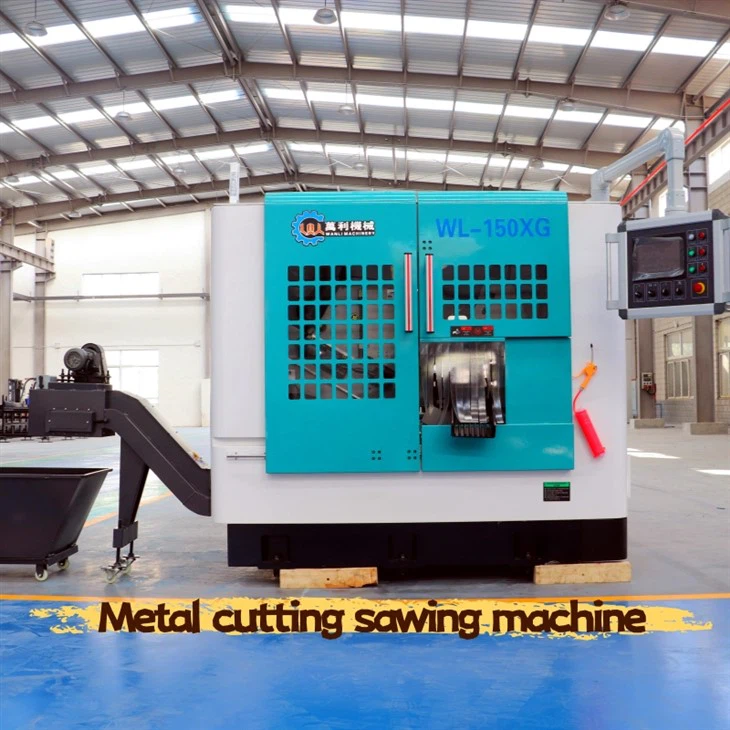
If you are in the market for a high - performing steel bar cutting machine, you may also be interested in our Circular Rod Circular Saw Machine. This machine is designed for cutting circular rods with high precision and efficiency. Our Circular Saw Machine For Cutting Metal is another excellent option for industrial - scale metal cutting. It offers reliable performance and long - lasting blade sharpness. And for those looking for a more general metal cutting solution, our Metal Cutting Sawing Machine provides a versatile and cost - effective choice.
Maintenance and Care
To further enhance the sharpness retention of the blades, proper maintenance and care are essential. Regular cleaning of the blades after each use can prevent the accumulation of debris and metal shavings. These particles can act as abrasives and accelerate the wear of the blade. Using a suitable lubricant during the cutting process can also reduce friction and heat generation, which helps to preserve the blade's sharpness.
When storing the steel bar cutting machine, it is important to keep the blades in a dry and clean environment. Moisture can cause rusting, which can damage the blade surface and reduce its sharpness. Additionally, periodic inspection of the blades can help detect any signs of wear or damage early on. If a blade shows excessive wear, it should be replaced promptly to ensure the continued performance of the machine.
Conclusion
The cutting - edge sharpness retention of a steel bar cutting machine's blades is a critical factor in its overall performance. As a steel bar cutting machine supplier, we are committed to providing our customers with machines that have blades engineered to offer the best possible sharpness retention. Our focus on high - quality materials, advanced manufacturing processes, and innovative blade designs ensures that our machines can meet the demanding needs of the construction and metal fabrication industries.

If you are interested in learning more about our steel bar cutting machines or other cutting equipment, we encourage you to reach out to us for a detailed discussion. We are ready to provide you with professional advice and solutions tailored to your specific requirements. Contact us today to start a successful partnership in the world of metal cutting.
References
- Smith, J. (2018). Handbook of Metal Cutting Technology. Publisher XYZ.
- Johnson, M. (2019). Advances in Tool Manufacturing for Industrial Cutting Operations. Journal of Manufacturing Science, Vol. 20, pp. 123 - 135.
- Brown, A. (2020). The Impact of Blade Design on Cutting Efficiency. Proceedings of the International Conference on Manufacturing Innovation.


