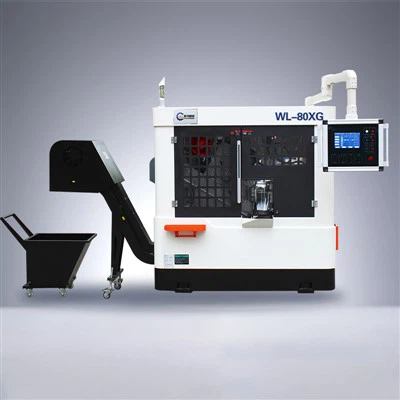
What is the cutting speed of a metal bar cut off machine?
As a supplier of Metal Bar Cut Off Machines, I often get asked about the cutting speed of these machines. Cutting speed is a crucial factor in the efficiency and effectiveness of metal bar cutting operations. In this blog post, I will explain what cutting speed is, how it is determined, and its significance in the context of metal bar cut off machines.
Understanding Cutting Speed
Cutting speed, in the context of metal bar cut off machines, refers to the rate at which the cutting tool moves relative to the metal bar being cut. It is typically measured in meters per minute (m/min) or surface feet per minute (SFM). The cutting speed is influenced by several factors, including the type of metal being cut, the material and geometry of the cutting tool, and the machine's power and capabilities.
Factors Affecting Cutting Speed
1. Type of Metal
Different metals have different hardness and machinability characteristics, which directly affect the cutting speed. For example, softer metals like aluminum can be cut at higher speeds compared to harder metals such as stainless steel or titanium. The table below provides a general guideline for cutting speeds for common metals:
| Metal Type | Cutting Speed (m/min) |
|---|---|
| Aluminum | 100 - 300 |
| Mild Steel | 40 - 100 |
| Stainless Steel | 20 - 60 |
| Titanium | 10 - 30 |
These values are approximate and can vary depending on the specific grade of the metal and the cutting conditions.
2. Cutting Tool Material
The material of the cutting tool also plays a significant role in determining the cutting speed. High - speed steel (HSS) tools are commonly used for general - purpose metal cutting and can operate at moderate cutting speeds. Carbide - tipped tools, on the other hand, are more wear - resistant and can handle higher cutting speeds, especially when cutting hard metals. Ceramic and diamond - coated tools are even more advanced and can achieve extremely high cutting speeds, but they are also more expensive.
3. Cutting Tool Geometry
The geometry of the cutting tool, such as the rake angle, clearance angle, and cutting edge radius, affects the cutting forces and the chip formation process. A well - designed cutting tool geometry can reduce cutting forces and allow for higher cutting speeds. For example, a positive rake angle reduces the cutting force but may also reduce the tool's strength. A negative rake angle, on the other hand, increases the tool's strength but requires higher cutting forces.
4. Machine Power and Rigidity
The power and rigidity of the metal bar cut off machine are essential for achieving high cutting speeds. A machine with higher power can drive the cutting tool at a faster rate without stalling. Additionally, a rigid machine structure can minimize vibrations, which are detrimental to the cutting process and can limit the cutting speed.
Determining the Optimal Cutting Speed
To determine the optimal cutting speed for a specific metal bar cut off operation, the following steps can be followed:
- Identify the Metal Type: Determine the exact type and grade of the metal being cut. This information can usually be obtained from the material supplier.
- Select the Cutting Tool: Choose a cutting tool that is suitable for the metal type and the cutting operation. Consider the tool material, geometry, and coating.
- Refer to Manufacturer's Recommendations: Consult the cutting tool manufacturer's catalog or technical data sheets for recommended cutting speeds for the specific tool and metal combination.
- Conduct Test Cuts: Start with a conservative cutting speed and gradually increase it while monitoring the cutting process. Look for signs of excessive tool wear, poor surface finish, or high cutting forces. Adjust the cutting speed accordingly.
Significance of Cutting Speed in Metal Bar Cut Off Machines
1. Productivity
A higher cutting speed means that more metal can be cut in a given time, increasing the productivity of the cutting operation. This is especially important in high - volume production environments where time is of the essence. For example, in a metal fabrication shop that produces thousands of metal bars per day, a small increase in cutting speed can result in a significant increase in daily output.
2. Tool Life
While higher cutting speeds can increase productivity, they can also have a negative impact on tool life. Excessive cutting speeds can cause the cutting tool to overheat, leading to rapid wear and premature failure. Therefore, it is important to find the right balance between cutting speed and tool life to minimize tooling costs.
3. Surface Finish
The cutting speed can also affect the surface finish of the cut metal bar. A too - low cutting speed may result in a rough surface finish due to the formation of built - up edge on the cutting tool. On the other hand, a too - high cutting speed can cause chatter and vibrations, which also degrade the surface finish. Selecting the appropriate cutting speed is crucial for achieving a smooth and accurate surface finish.
Our Metal Bar Cut Off Machines and Cutting Speeds
At our company, we offer a wide range of metal bar cut off machines, including Steel Circular Saw Machine, High speed large circular saw machine, and Rapid Cutting Machine For Carbon Steel Round Bars. Our machines are designed to provide optimal cutting speeds for different metal types and cutting requirements.
Our engineers work closely with customers to understand their specific needs and recommend the most suitable machine and cutting parameters. We also provide training and technical support to ensure that our customers can operate the machines at the best cutting speeds for maximum efficiency and productivity.


Contact Us for Your Metal Bar Cutting Needs
If you are in the market for a metal bar cut off machine or have any questions about cutting speeds and metal cutting operations, we would be more than happy to assist you. Our team of experts can provide you with detailed information about our products, help you select the right machine for your application, and offer advice on optimizing cutting speeds.
Contact us today to start a discussion about your metal bar cutting requirements. We look forward to partnering with you to achieve your production goals.
References
- Kalpakjian, S., & Schmid, S. R. (2008). Manufacturing Engineering and Technology. Pearson Prentice Hall.
- Trent, E. M., & Wright, P. K. (2000). Metal Cutting. Butterworth - Heinemann.