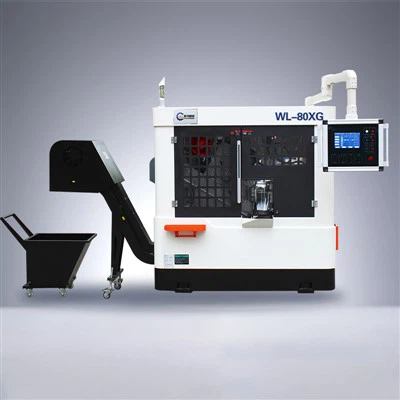
The cutting speed of a CNC high-speed circular saw is a crucial factor that significantly impacts the efficiency, quality, and cost of the cutting process. As a leading supplier of CNC high-speed circular saws, we understand the importance of selecting the appropriate cutting speed for different materials. In this blog post, we will explore the cutting speed ranges for various materials and provide insights to help you optimize your cutting operations.
Understanding Cutting Speed
Cutting speed, often measured in surface feet per minute (SFM) or meters per minute (m/min), refers to the speed at which the teeth of the saw blade move across the surface of the material being cut. It is determined by the rotational speed of the saw blade and its diameter. Selecting the right cutting speed is essential for achieving clean cuts, minimizing blade wear, and maximizing productivity.
Cutting Speed Ranges for Different Materials
1. Aluminum
Aluminum is a lightweight and soft metal that is commonly used in various industries, including aerospace, automotive, and construction. Due to its low hardness, aluminum can be cut at relatively high speeds. The cutting speed range for aluminum typically falls between 300 and 1,500 SFM (90 - 450 m/min). Higher speeds can be used for thinner sections, while lower speeds are recommended for thicker materials to prevent excessive heat buildup and blade damage.
When cutting aluminum, it is important to use a saw blade with a high tooth count and a sharp cutting edge. This helps to ensure a smooth cut and reduces the risk of chipping or tearing the material. Our CNC High Speed Circular Saw Machine is designed to handle aluminum cutting operations efficiently, providing precise and clean cuts.
2. Steel
Steel is a widely used metal with varying levels of hardness and composition. The cutting speed for steel depends on its type, such as mild steel, stainless steel, or tool steel. Mild steel, which is relatively soft, can be cut at speeds ranging from 100 to 500 SFM (30 - 150 m/min). Stainless steel, on the other hand, is more difficult to cut due to its higher hardness and tendency to work-harden. The cutting speed for stainless steel typically ranges from 50 to 200 SFM (15 - 60 m/min).
Tool steel, which is extremely hard, requires even lower cutting speeds, usually between 20 and 100 SFM (6 - 30 m/min). When cutting steel, it is crucial to use a saw blade with the appropriate tooth geometry and coating to withstand the high cutting forces and heat generated during the process. Our Metal Bar Cut Off Machine is equipped with advanced features to ensure optimal cutting performance when working with steel.
3. Copper and Brass
Copper and brass are soft metals that are known for their excellent electrical and thermal conductivity. They can be cut at moderate speeds, with the cutting speed range for copper and brass typically between 200 and 800 SFM (60 - 240 m/min). Similar to aluminum, using a saw blade with a high tooth count and a sharp cutting edge is recommended to achieve clean cuts.
Our CNC Metal High-speed Cold Cutting Circular Saw Machine WL80XN With High Cutting Accuracy, Factory Shooting is suitable for cutting copper and brass, providing high precision and efficiency.
4. Plastics
Plastics are a diverse group of materials with different properties, such as hardness, flexibility, and heat resistance. The cutting speed for plastics depends on their type and thickness. Generally, plastics can be cut at speeds ranging from 100 to 1,000 SFM (30 - 300 m/min). Soft plastics, such as polyethylene and polypropylene, can be cut at higher speeds, while harder plastics, such as acrylic and polycarbonate, require lower speeds.
When cutting plastics, it is important to use a saw blade with a special tooth geometry designed to prevent melting and chipping. Our CNC high-speed circular saws can be customized with the appropriate blade for plastic cutting applications, ensuring clean and precise cuts.


Factors Affecting Cutting Speed
In addition to the material being cut, several other factors can affect the cutting speed of a CNC high-speed circular saw. These include:
- Blade Diameter: Larger blade diameters generally allow for higher cutting speeds, as the outer teeth of the blade travel at a faster rate.
- Tooth Geometry: The shape and size of the saw blade teeth can impact the cutting speed and quality. Different tooth geometries are designed for specific materials and cutting applications.
- Feed Rate: The feed rate, or the speed at which the material is fed into the saw blade, also affects the cutting speed. A higher feed rate may require a lower cutting speed to maintain a stable cutting process.
- Coolant and Lubrication: Using the appropriate coolant and lubrication can help to reduce heat buildup, extend blade life, and improve cutting performance. This allows for higher cutting speeds in some cases.
Optimizing Cutting Speed for Maximum Efficiency
To optimize the cutting speed of your CNC high-speed circular saw, it is important to consider the material, blade, and cutting conditions. Here are some tips to help you achieve maximum efficiency:
- Select the Right Blade: Choose a saw blade that is specifically designed for the material you are cutting. Consider factors such as tooth geometry, tooth count, and coating to ensure optimal performance.
- Test and Adjust: Conduct test cuts on a small sample of the material to determine the optimal cutting speed and feed rate. Make adjustments as needed based on the results.
- Monitor and Maintain: Regularly monitor the cutting process and the condition of the saw blade. Replace the blade when it becomes dull or damaged to maintain consistent cutting quality.
- Use Proper Coolant and Lubrication: Ensure that you are using the appropriate coolant and lubrication for the material and cutting application. This can help to reduce heat, improve chip evacuation, and extend blade life.
Conclusion
Selecting the appropriate cutting speed for different materials is essential for achieving efficient and high-quality cuts with a CNC high-speed circular saw. By understanding the cutting speed ranges for various materials and considering the factors that affect cutting speed, you can optimize your cutting operations and maximize productivity.
As a trusted supplier of CNC high-speed circular saws, we are committed to providing our customers with the latest technology and expertise to meet their cutting needs. Our range of CNC High Speed Circular Saw Machines is designed to deliver precise and efficient cutting performance across a wide range of materials.
If you are interested in learning more about our products or have any questions about cutting speed and material selection, please do not hesitate to contact us. Our team of experts is ready to assist you in finding the right solution for your cutting applications. Let's start a conversation and explore how we can help you improve your cutting processes and achieve better results.
References
- ASM Handbook, Volume 16: Machining, ASM International.
- Machinery's Handbook, Industrial Press Inc.
- Cutting Tool Engineering, various issues.