What is the difference between a metal circular saw machine and a wood circular saw machine?
In the world of manufacturing and woodworking, circular saw machines are indispensable tools. However, not all circular saw machines are created equal. There are significant differences between metal circular saw machines and wood circular saw machines, which are tailored to the specific needs of cutting different materials. As a supplier of metal circular saw machines, I am well - versed in these distinctions and will delve into them in this blog.
1. Blade Design and Material
The blade is one of the most critical components of a circular saw machine, and the differences in blade design and material between metal and wood circular saws are stark.
Wood circular saw blades are typically made of high - speed steel (HSS) or carbide - tipped materials. These blades have relatively large teeth with wide gullets. The large teeth and wide gullets are designed to quickly remove large amounts of wood chips during the cutting process. The tooth geometry of wood saw blades is optimized for rapid, smooth cuts through fibrous wood materials. The teeth are often set at a wide angle to prevent the blade from binding in the wood.
On the other hand, metal circular saw blades are made from materials that can withstand the high - stress cutting of metals. Carbide - tipped blades are commonly used for general metal cutting, while for more specialized applications, such as cutting hard alloys, cubic boron nitride (CBN) or polycrystalline diamond (PCD) blades may be employed. Metal saw blades have much smaller and more closely spaced teeth compared to wood saw blades. This is because metals are denser and harder than wood, and smaller teeth are needed to make precise cuts and reduce the risk of chipping or cracking the metal. The teeth of metal saw blades are also ground to a very sharp edge to penetrate the tough metal surface. For instance, when cutting stainless steel, a metal circular saw blade with a specific tooth design and coating is required to ensure a clean cut and prevent the blade from overheating.
2. Cutting Speed and Feed Rate
The cutting speed and feed rate of a circular saw machine are crucial factors that depend on the material being cut.
Wood circular saw machines typically operate at higher cutting speeds. Wood is a relatively soft material, and a higher speed allows for faster removal of material. The feed rate, which is the speed at which the material is fed into the blade, can also be relatively high. For example, in a typical woodworking shop, a wood circular saw may operate at speeds of 3000 - 5000 revolutions per minute (RPM) and have a feed rate of several feet per minute, depending on the thickness and type of wood.
In contrast, metal circular saw machines operate at much lower cutting speeds. Metals are harder and more difficult to cut, and high - speed cutting can cause excessive heat, which can damage the blade and the workpiece. The feed rate for metal cutting is also much slower than for wood cutting. For example, when cutting mild steel, a metal circular saw machine may operate at speeds of 100 - 500 RPM, and the feed rate may be measured in inches per minute. This slower speed and feed rate ensure a more precise cut and prevent the blade from overheating and wearing out prematurely.
3. Power Requirements
The power requirements of metal and wood circular saw machines differ significantly due to the nature of the materials they cut.
Wood circular saw machines generally require less power. Since wood is a softer material, the cutting process does not demand as much force. A typical small - to - medium - sized wood circular saw machine may have a motor power of 1 - 3 horsepower (HP). Larger industrial wood saws may have higher power ratings, but they are still relatively lower compared to metal saw machines.
Metal circular saw machines, on the other hand, need more power to cut through the dense and hard metals. The motor power of a metal circular saw machine can range from 5 - 20 HP or even higher for heavy - duty industrial applications. The high power is necessary to drive the blade through the metal and overcome the resistance during the cutting process. For example, when cutting thick - walled metal pipes or large metal bars, a high - power metal circular saw machine is required to ensure efficient and accurate cutting.
4. Cooling and Lubrication
Cooling and lubrication are essential aspects of circular saw machine operation, and the requirements for metal and wood cutting are different.
In wood cutting, cooling and lubrication are not as critical. Wood generates less heat during the cutting process, and the large teeth of the wood saw blade allow for efficient chip removal, which helps dissipate heat. However, in some cases, especially when cutting hardwoods or using high - speed saws, a small amount of lubricant may be used to reduce friction and prevent the blade from burning the wood.
For metal circular saw machines, cooling and lubrication are of utmost importance. Cutting metals generates a significant amount of heat, which can cause the blade to lose its hardness and sharpness, and also damage the workpiece. Metal cutting fluids are commonly used to cool the blade and the workpiece during the cutting process. These fluids also act as lubricants, reducing friction between the blade and the metal. There are different types of cutting fluids, such as water - based and oil - based fluids, each with its own advantages and applications. For example, water - based cutting fluids are more environmentally friendly and are suitable for general metal cutting, while oil - based fluids provide better lubrication and are often used for cutting high - strength metals.
5. Safety Features
Safety is a top priority in any manufacturing or woodworking environment, and both metal and wood circular saw machines are equipped with safety features, but they may differ in some aspects.
Wood circular saw machines usually have safety guards to prevent the operator from coming into contact with the rotating blade. They may also have blade brakes to stop the blade quickly in case of an emergency. However, since wood cutting is generally considered less hazardous than metal cutting, the safety requirements may not be as stringent.
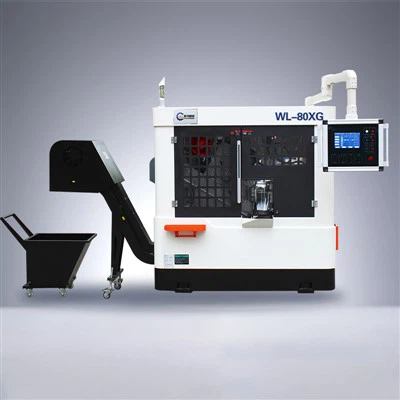
Metal circular saw machines have more comprehensive safety features. In addition to blade guards and brakes, they may have sensors to detect abnormal vibrations or overheating, which can indicate a problem with the blade or the cutting process. Some metal saw machines also have enclosed cutting chambers to prevent metal chips and sparks from flying out, protecting the operator and the surrounding environment. The high - power motors and the potential for flying metal chips make metal cutting a more dangerous operation, so these additional safety features are necessary.
6. Applications
The applications of metal and wood circular saw machines are distinct based on their design and capabilities.
Wood circular saw machines are widely used in the woodworking industry for cutting lumber, plywood, and other wood products. They are used in furniture manufacturing, cabinet making, and construction. For example, a wood circular saw can be used to cut the pieces of wood for a wooden table or to make precise cuts in a wooden door frame.


Metal circular saw machines are used in various industries, including automotive, aerospace, and metal fabrication. They are used to cut metal bars, pipes, sheets, and profiles. For example, in the automotive industry, a metal circular saw machine may be used to cut the metal components for a car engine or chassis.
As a supplier of metal circular saw machines, I understand the importance of these differences and offer a wide range of Automatic Circular Saw Machine that are designed to meet the specific needs of metal cutting. Our machines are equipped with high - quality blades, powerful motors, and advanced cooling and lubrication systems to ensure efficient and precise metal cutting. We also provide Circular Sawing Systems that are tailored to different metal cutting applications, such as Metal disc saw cut copper.
If you are in the market for a metal circular saw machine, I encourage you to contact us for more information and to discuss your specific requirements. Our team of experts is ready to assist you in finding the right machine for your needs and to provide you with the best possible service.
References
- American National Standards Institute (ANSI). Safety standards for woodworking and metalworking machinery.
- Machinery's Handbook, Industrial Press Inc., which provides detailed information on cutting tools and machining processes for both wood and metal.
- Manufacturer's manuals for circular saw machines, which contain technical specifications and operating instructions.