

Hey there! As a supplier of TCT blade saw machines, I often get asked about the lifespan of TCT blades on these machines. It's a crucial question, especially for those looking to make the most out of their equipment and budget. So, let's dive right in and explore what affects the lifespan of a TCT blade on a saw machine.
What is a TCT Blade?
First off, let's quickly go over what a TCT blade is. TCT stands for Tungsten Carbide Tipped. These blades are made by brazing small pieces of tungsten carbide onto the tips of the blade teeth. Tungsten carbide is an extremely hard and wear - resistant material, which makes TCT blades ideal for cutting through tough materials like metal, wood, and plastics.
Factors Affecting the Lifespan of a TCT Blade
1. Material Being Cut
The type of material you're cutting has a huge impact on the blade's lifespan. For instance, cutting through softwoods like pine or cedar is much easier on the blade compared to hardwoods such as oak or maple. Hardwoods are denser and contain more abrasive particles, which can wear down the carbide tips faster.
When it comes to metal cutting, different metals also have different levels of abrasiveness. Mild steel is relatively easy on the blade, while stainless steel and high - alloy steels are much more challenging. These metals can generate a lot of heat during cutting, which can cause the carbide tips to lose their hardness and wear out more quickly.
2. Cutting Speed and Feed Rate
The speed at which the saw machine rotates the blade and the rate at which the material is fed into the blade are also critical factors. If the cutting speed is too high, the blade can overheat, leading to premature wear of the carbide tips. On the other hand, if the feed rate is too slow, the blade can rub against the material instead of cutting it cleanly, which also increases wear.
Finding the right balance between cutting speed and feed rate is essential. Most saw machines come with recommended speed and feed rate settings for different materials. It's important to follow these guidelines to ensure the longest possible lifespan for your TCT blade.
3. Blade Quality
Not all TCT blades are created equal. The quality of the carbide used, the brazing process, and the overall manufacturing quality can vary significantly between different brands and models. Higher - quality blades are made with better - grade carbide and more precise manufacturing techniques, which generally result in a longer lifespan.
When choosing a TCT blade, it's worth investing in a reputable brand. A good quality blade may cost more upfront, but it will save you money in the long run by lasting longer and providing a better cutting performance.
4. Maintenance
Proper maintenance of both the saw machine and the TCT blade is crucial for maximizing the blade's lifespan. Regularly cleaning the blade to remove debris and resin buildup can prevent the blade from becoming clogged, which can cause uneven wear.
Lubrication is also important, especially when cutting metal. Using the right cutting fluid can reduce friction and heat, which helps to protect the carbide tips. Additionally, checking the blade for any signs of damage, such as chipped or missing carbide tips, and replacing the blade when necessary can prevent further damage to the saw machine and ensure a consistent cutting quality.
Average Lifespan of a TCT Blade
It's difficult to give an exact number for the lifespan of a TCT blade because it depends on so many factors. However, as a rough estimate, a good - quality TCT blade used for general wood cutting in a well - maintained saw machine can last anywhere from 6 months to 2 years.
For metal cutting, the lifespan can be much shorter. In a high - volume metal cutting operation, a TCT blade may need to be replaced every few weeks or months. But if the cutting is done less frequently and under optimal conditions, the blade can last up to a year or more.
How to Extend the Lifespan of a TCT Blade
1. Use the Right Blade for the Job
Make sure you're using a TCT blade that is specifically designed for the material you're cutting. Different blades have different tooth geometries and carbide grades optimized for different materials. Using the wrong blade can lead to poor cutting performance and a shorter lifespan.
2. Follow the Manufacturer's Recommendations
As mentioned earlier, follow the recommended cutting speed, feed rate, and maintenance procedures provided by the saw machine and blade manufacturers. These guidelines are based on extensive testing and are designed to ensure the best performance and longest lifespan for your equipment.
3. Keep the Blade Sharp
A sharp blade cuts more efficiently and causes less wear on the carbide tips. You can either have the blade professionally sharpened or use a blade sharpener at home if you have the necessary skills. Regular sharpening can significantly extend the lifespan of your TCT blade.
Our TCT Blade Saw Machines
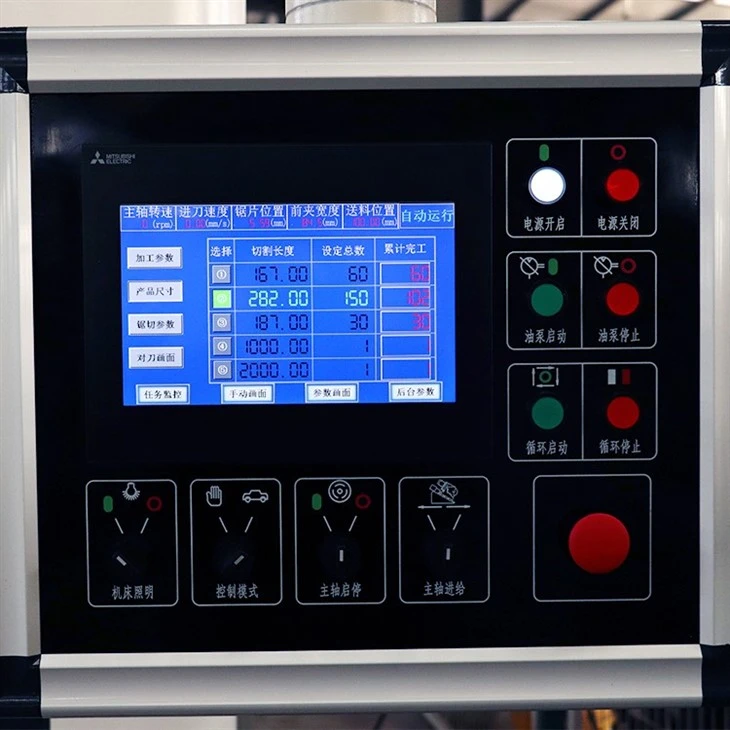
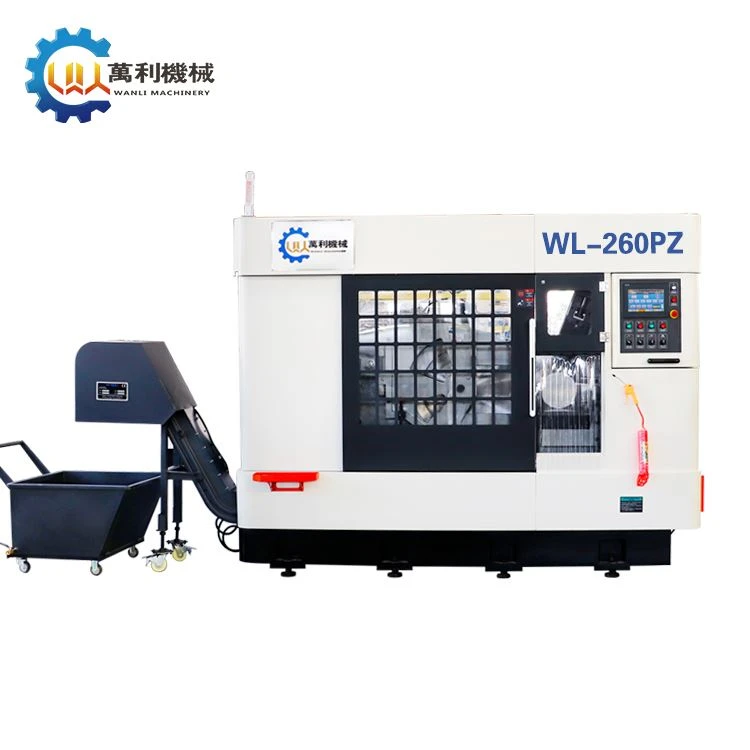
At our company, we offer a wide range of saw machines equipped with high - quality TCT blades. Our Tube Circular Sawing Machine is perfect for cutting tubes and pipes of various sizes. It's designed to provide a smooth and precise cut, with features that help to protect the TCT blade and extend its lifespan.
Our Circular Saw is a versatile tool suitable for both wood and metal cutting. It's easy to operate and comes with adjustable speed settings, allowing you to optimize the cutting process for different materials.
If you're looking for high - speed metal cutting, our High Speed Metal Circular Saw Machine is the ideal choice. It's built to handle heavy - duty metal cutting tasks with minimal wear on the TCT blade.
Contact Us for Purchasing
If you're interested in our TCT blade saw machines or have any questions about TCT blade lifespan, feel free to reach out to us. We're here to help you find the right equipment for your needs and ensure that you get the most out of your investment. Our team of experts can provide you with more detailed information and advice on how to choose and maintain your TCT blades.
References
- "Woodworking Machinery Handbook" - A comprehensive guide to woodworking machines and tools, which includes information on TCT blade usage and maintenance.
- "Metal Cutting Technology" - A technical book that covers the principles of metal cutting, including the effects of different factors on TCT blade lifespan.
- Manufacturer's manuals for our saw machines and TCT blades, which provide specific information on recommended operating conditions and maintenance procedures.


