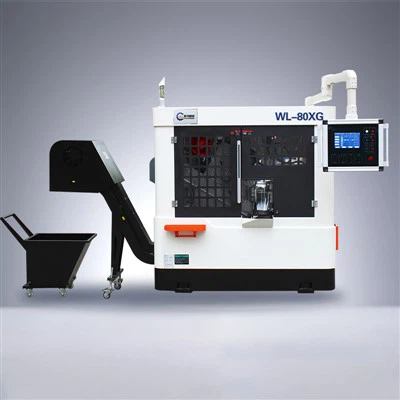
As a provider of circular saw machines, one question that frequently comes up from our customers is about the noise level of these machines. Understanding the noise level of a circular saw machine is crucial for several reasons, including workplace safety, comfort, and compliance with environmental regulations. In this blog post, I'll delve into what determines the noise level of a circular saw machine, typical noise levels, and how to manage them.
What Determines the Noise Level of a Circular Saw Machine?
The noise level of a circular saw machine is influenced by multiple factors, each playing a significant role in the overall auditory output.
1. Motor Power
The motor is the heart of the circular saw machine, and its power has a direct correlation with the noise it generates. High - powered motors typically produce more noise because they require more energy to operate. When a motor is working hard to spin the saw blade at high speeds, it creates vibrations and air turbulence, both of which contribute to increased noise levels. For instance, a circular saw with a 3 - horsepower motor will generally be louder than one with a 1 - horsepower motor.
2. Blade Design and Condition
The design of the saw blade also impacts the noise level. Blades with a large number of teeth or irregular tooth shapes can create more noise as they cut through materials. When the teeth of the blade engage with the workpiece, they produce a series of impacts, and the frequency and intensity of these impacts determine the noise characteristics. Additionally, a dull or damaged blade can cause excessive noise. A dull blade has to work harder to cut, leading to more vibrations and thus, louder noise.
3. Material Being Cut
Different materials generate different levels of noise when cut by a circular saw. Harder materials like metal require more force to cut through, which often results in higher noise levels. The resistance of the material against the saw blade causes the blade to vibrate more, increasing the noise. On the other hand, softer materials like wood may produce less noise, but the type of wood can also matter. For example, hardwoods like oak are denser and may generate more noise compared to softwoods like pine.
4. Machine Structure and Vibration Dampening
The overall structure of the circular saw machine and its vibration - dampening features play a vital role in noise reduction. A well - built machine with proper structural integrity can minimize the transmission of vibrations, which in turn reduces noise. Machines equipped with vibration - dampening materials or components, such as rubber mounts or shock absorbers, can significantly lower the noise level. In contrast, a poorly constructed machine with loose parts or inadequate support can amplify vibrations and increase noise.
Typical Noise Levels of Circular Saw Machines
The noise level of circular saw machines can vary widely depending on the factors mentioned above. Generally, the noise level of a circular saw can range from around 80 decibels (dB) to over 100 dB.
An 80 - dB noise level is similar to the noise of heavy traffic or a vacuum cleaner. At this level, it is still relatively manageable for short - term exposure, but continuous exposure can cause some hearing fatigue.
As the noise level increases, the risk to hearing also rises. A circular saw operating at 90 dB is equivalent to the noise of a lawnmower. Prolonged exposure to 90 - dB noise can lead to permanent hearing damage.
Some high - powered circular saws, especially those used in industrial settings for cutting hard materials like metal, can reach noise levels of over 100 dB. This is comparable to the noise of a chainsaw or a jackhammer. Exposure to such high - intensity noise for even a short period without proper hearing protection can be extremely harmful.
Managing the Noise Level of Circular Saw Machines
1. Use of Hearing Protection
One of the simplest and most effective ways to protect against the noise of circular saw machines is to use hearing protection. Earplugs and earmuffs are commonly used devices. Earplugs are small and can be inserted into the ear canal, providing a good seal to block out noise. Earmuffs, on the other hand, cover the entire ear and are often more comfortable for longer - term use. It is essential for operators and anyone in the vicinity of the saw to wear appropriate hearing protection at all times.
2. Machine Maintenance
Regular maintenance of the circular saw machine can significantly reduce noise levels. This includes keeping the blade sharp, tightening loose parts, and lubricating moving components. A well - maintained machine operates more smoothly, with fewer vibrations and less noise. For example, regularly sharpening the saw blade ensures that it cuts efficiently, reducing the strain on the motor and minimizing noise.
3. Machine Selection
When purchasing a circular saw machine, it is important to consider its noise level. Some manufacturers design their machines with noise reduction in mind. Look for machines that are specifically advertised as having low - noise operation. You can also check product reviews and specifications to get an idea of the expected noise level. For example, our Machine Saw Circular is engineered to minimize noise while maintaining high - performance cutting capabilities.
4. Isolation and Enclosure
In industrial settings, isolating the circular saw machine or enclosing it in a sound - proof booth can be an effective solution. An enclosure can contain the noise within a limited space, reducing the impact on the surrounding environment. Specialized sound - absorbing materials can be used inside the enclosure to further dampen the noise.
High - Speed and Cold - Cutting Circular Saw Machines
We also offer High speed cold cutting saw and Cold cut circular saw models. These types of saws have unique features that can affect their noise levels.


High - speed cold - cutting saws are designed to cut materials at high speeds while minimizing heat generation. The high - speed operation can potentially increase the noise level, but advanced engineering and design features in our models help to keep the noise within acceptable limits. Cold - cut circular saws, on the other hand, use a cold - cutting process, which can be quieter compared to traditional cutting methods. The cold - cutting technology reduces the friction and heat, resulting in less vibration and noise.
The Importance of Addressing Noise Levels
Addressing the noise level of circular saw machines is not just about comfort; it is a matter of safety and compliance. In many countries, there are strict regulations regarding workplace noise levels to protect the health of workers. Excessive noise exposure can lead to hearing loss, tinnitus, and other health problems. By managing the noise level of our circular saw machines, we ensure that our customers can operate in a safe and healthy environment.
Contact Us for Your Circular Saw Machine Needs
If you are in the market for a circular saw machine and are concerned about noise levels or other aspects of the machine, we are here to help. Our team of experts can provide you with detailed information about our products, including their noise - reduction features. We can also offer advice on how to manage the noise level in your specific working environment.
Whether you need a Machine Saw Circular, a High speed cold cutting saw, or a Cold cut circular saw, we have the right solution for you. Don't hesitate to contact us for more information and to discuss your procurement needs. We look forward to working with you to find the perfect circular saw machine for your operations.
References
- OSHA (Occupational Safety and Health Administration). "Occupational Noise Exposure." Accessed [Date].
- Machinery's Handbook, 31st Edition. Industrial Press Inc.