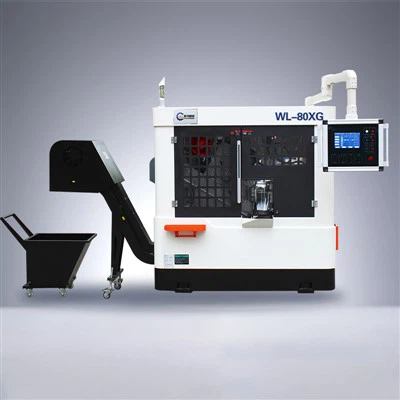
In the realm of circular sawing systems, various components play crucial roles in ensuring efficient, accurate, and safe operations. One such component that often goes unnoticed but is of significant importance is the arbor. As a supplier of circular sawing systems, I have witnessed firsthand the impact that the arbor has on the overall performance of these systems. In this blog post, I will delve into the role of the arbor in circular sawing systems, exploring its functions, importance, and the factors to consider when selecting an appropriate arbor.
Functions of the Arbor in Circular Sawing Systems
The arbor in a circular sawing system serves as the central axis around which the saw blade rotates. It is essentially a shaft that connects the saw blade to the motor or power source, transmitting the rotational force from the motor to the blade. This enables the blade to cut through various materials, such as wood, metal, plastic, and composites, with precision and efficiency.
One of the primary functions of the arbor is to provide a stable and secure mounting point for the saw blade. The blade is typically attached to the arbor using a flange or other fastening mechanism, ensuring that it remains firmly in place during operation. This stability is crucial for maintaining the accuracy of the cut and preventing the blade from wobbling or vibrating, which can lead to uneven cuts, blade damage, and even safety hazards.
In addition to providing a stable mounting point, the arbor also plays a role in controlling the speed and torque of the saw blade. The motor or power source drives the arbor, which in turn rotates the blade at a specific speed. The speed of the blade is determined by the rotational speed of the arbor, which can be adjusted depending on the type of material being cut and the desired cutting speed. The torque, or rotational force, of the blade is also influenced by the arbor, as it determines the amount of power that can be transmitted from the motor to the blade.
Another important function of the arbor is to facilitate the removal and replacement of the saw blade. Over time, saw blades can become dull or damaged, and they need to be replaced to maintain optimal cutting performance. The arbor is designed to allow for easy removal and installation of the blade, typically using a simple tool such as a wrench or socket. This makes it convenient for operators to change blades quickly and efficiently, minimizing downtime and maximizing productivity.
Importance of the Arbor in Circular Sawing Systems
The arbor is a critical component of circular sawing systems, and its proper functioning is essential for achieving high-quality cuts and ensuring the safety of operators. Here are some of the key reasons why the arbor is so important:
- Accuracy and Precision: A stable and well-designed arbor is essential for maintaining the accuracy and precision of the cut. By providing a secure mounting point for the saw blade and minimizing vibration and wobbling, the arbor helps to ensure that the blade cuts straight and true, resulting in clean, smooth edges and precise dimensions.
- Cutting Performance: The arbor plays a crucial role in determining the cutting performance of the circular sawing system. By controlling the speed and torque of the blade, the arbor enables the system to cut through various materials efficiently and effectively. A high-quality arbor can provide the necessary power and stability to handle tough cutting applications, while also allowing for precise control over the cutting process.
- Safety: The arbor is an important safety feature of circular sawing systems. A properly installed and maintained arbor helps to prevent the saw blade from coming loose or flying off during operation, which can pose a serious safety hazard to operators. Additionally, a stable arbor reduces the risk of blade breakage and kickback, which can cause injuries and damage to the equipment.
- Durability and Longevity: The arbor is subjected to significant stress and wear during operation, so it needs to be made of high-quality materials and designed to withstand these conditions. A durable arbor can last for many years, reducing the need for frequent replacements and minimizing downtime. This not only saves money but also ensures that the circular sawing system remains operational and productive.
Factors to Consider When Selecting an Arbor for Circular Sawing Systems
When selecting an arbor for a circular sawing system, there are several factors that need to be considered to ensure that it is the right fit for the application. Here are some of the key factors to keep in mind:
- Size and Compatibility: The arbor needs to be the right size and compatible with the saw blade and the circular sawing system. The diameter of the arbor should match the size of the blade's arbor hole, and the arbor should be designed to fit the specific model of the sawing system. It is important to consult the manufacturer's specifications or a qualified professional to ensure that the arbor is compatible with the equipment.
- Material and Construction: The arbor should be made of high-quality materials, such as steel or aluminum, that are strong, durable, and resistant to wear and corrosion. The construction of the arbor should also be robust and well-designed, with features such as precision machining, smooth surfaces, and proper balancing to ensure optimal performance.
- Speed and Torque Requirements: The arbor needs to be capable of handling the speed and torque requirements of the circular sawing system. The speed of the arbor should match the recommended speed of the saw blade, and the torque capacity of the arbor should be sufficient to drive the blade through the material being cut. It is important to consider the type of material being cut, the thickness of the material, and the desired cutting speed when selecting an arbor.
- Safety Features: The arbor should have appropriate safety features, such as a locking mechanism or a flange that prevents the blade from coming loose during operation. Additionally, the arbor should be designed to minimize the risk of kickback and blade breakage, which can cause injuries and damage to the equipment.
- Ease of Installation and Maintenance: The arbor should be easy to install and maintain, with clear instructions and simple tools required for installation and removal. It should also be easy to clean and lubricate to ensure optimal performance and longevity.
Conclusion
In conclusion, the arbor plays a vital role in circular sawing systems, providing a stable and secure mounting point for the saw blade, controlling the speed and torque of the blade, and facilitating the removal and replacement of the blade. A high-quality arbor is essential for achieving accurate, precise, and efficient cuts, as well as ensuring the safety of operators. When selecting an arbor for a circular sawing system, it is important to consider factors such as size and compatibility, material and construction, speed and torque requirements, safety features, and ease of installation and maintenance.


As a supplier of circular sawing systems, we offer a wide range of high-quality arbors that are designed to meet the needs of various applications. Our arbors are made of premium materials, precision-machined, and rigorously tested to ensure optimal performance and durability. Whether you are looking for an arbor for a Circular Low Saw, an Aluminum Circle Cutting Machine, or any other type of circular sawing system, we have the right solution for you.
If you are interested in learning more about our circular sawing systems and arbors, or if you have any questions or need assistance with your selection, please do not hesitate to contact us. Our team of experts is here to help you find the best solution for your specific needs and to ensure that you get the most out of your circular sawing system. We look forward to working with you and helping you achieve your cutting goals.
References
- Circular saw machine instructions
- Manufacturer's specifications for circular sawing systems and arbors
- Industry standards and guidelines for circular sawing operations