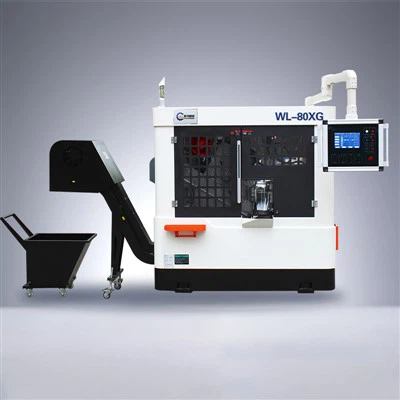
What is the service life of Circular Sawing Systems?
As a supplier of Circular Sawing Systems, I often get asked about the service life of these essential tools. Understanding the service life of circular sawing systems is crucial for businesses in various industries, including metalworking, construction, and manufacturing. In this blog post, I'll delve into the factors that influence the service life of circular sawing systems and provide some insights on how to maximize their longevity.
Factors Affecting the Service Life of Circular Sawing Systems
-
Quality of the Sawing System
The quality of the circular sawing system itself is a primary determinant of its service life. High - quality sawing systems are typically constructed with better materials and more precise manufacturing processes. For example, saw blades made from high - grade carbide or other advanced alloys are more resistant to wear and tear compared to lower - quality blades. Similarly, a well - built sawing machine frame can withstand the rigors of continuous operation without warping or deforming. When considering a purchase, it's important to look for a system that is known for its durability and reliability. A high - quality Circular Cold Sawing Machine from a reputable manufacturer is likely to have a longer service life than a cheaper, less reliable alternative. -
Type of Material Being Cut
The type of material that the circular sawing system is used to cut has a significant impact on its service life. Cutting softer materials such as wood or aluminum generally puts less stress on the saw blade and the machine compared to cutting harder materials like steel or titanium. Hard materials require more force to cut, which can cause the saw blade to wear out more quickly. Additionally, some materials may be abrasive, which can further accelerate the wear of the blade. For instance, cutting stainless steel with a circular saw can be more challenging due to its hardness and tendency to work - harden during the cutting process. If your operations involve cutting a variety of materials, it's important to choose a sawing system that is versatile enough to handle different types of materials effectively. -
Operating Conditions
The operating conditions in which the circular sawing system is used play a vital role in determining its service life. Factors such as temperature, humidity, and the presence of dust or debris can all affect the performance and longevity of the system. High temperatures can cause the saw blade to overheat, leading to premature wear and reduced cutting performance. Humidity can cause corrosion of the machine's components, especially if the system is not properly maintained. Dust and debris can also accumulate in the moving parts of the sawing machine, causing increased friction and wear. It's essential to operate the circular sawing system in a clean, well - ventilated environment and to follow the manufacturer's recommendations for temperature and humidity control. -
Maintenance and Care
Proper maintenance and care are essential for extending the service life of circular sawing systems. Regular maintenance tasks include cleaning the saw blade, lubricating the moving parts, and checking for any signs of wear or damage. Sharpening or replacing the saw blade at the appropriate intervals is also crucial. A dull saw blade not only reduces cutting efficiency but also puts additional stress on the machine, which can lead to premature failure. It's important to follow a maintenance schedule and to use the correct tools and lubricants recommended by the manufacturer. For example, using the wrong type of lubricant can cause damage to the machine's components.

-
Operator Skill and Training
The skill and training of the operator can also impact the service life of the circular sawing system. An experienced and well - trained operator is more likely to use the system correctly, which can reduce the risk of damage. For example, an operator who knows how to adjust the cutting speed and feed rate according to the material being cut can prevent overloading the saw blade and the machine. On the other hand, an inexperienced operator may make mistakes such as using excessive force or improper cutting techniques, which can lead to premature wear and damage to the system. Providing proper training to operators is an investment that can pay off in terms of longer system service life and improved productivity.
Maximizing the Service Life of Circular Sawing Systems
-
Choose the Right System for Your Needs
When selecting a circular sawing system, it's important to choose one that is suitable for your specific application. Consider factors such as the type of material you'll be cutting, the volume of work, and the required cutting accuracy. For example, if you need to cut large - size metal pieces, a Large size metal cutting circular saw may be the best choice. A system that is properly matched to your needs will be more efficient and less likely to experience premature wear. -
Implement a Maintenance Program
Developing and implementing a comprehensive maintenance program is crucial for maximizing the service life of your circular sawing system. This program should include regular inspections, cleaning, lubrication, and blade replacement. Keep detailed records of all maintenance activities, including the date of each service, the parts replaced, and any issues that were identified. This will help you track the performance of the system over time and to identify any potential problems before they become major issues. -
Train Your Operators
Invest in training your operators to ensure they have the skills and knowledge to operate the circular sawing system correctly. Provide them with training on safety procedures, cutting techniques, and maintenance tasks. Encourage them to report any issues or concerns they notice during operation. Well - trained operators are more likely to use the system in a way that extends its service life. -
Monitor and Optimize Operating Conditions
Regularly monitor the operating conditions of the circular sawing system, including temperature, humidity, and the cleanliness of the environment. Make adjustments as needed to ensure optimal conditions. For example, if the temperature in the workspace is too high, consider installing a cooling system. If dust and debris are a problem, use dust collection equipment to keep the area clean.
Service Life Expectations
The service life of circular sawing systems can vary widely depending on the factors mentioned above. In general, a well - maintained circular sawing system used in normal operating conditions can last anywhere from 5 to 15 years or more. However, this is just a rough estimate, and the actual service life may be shorter or longer depending on the specific circumstances. For example, a circular sawing system used in a high - volume production environment with demanding cutting requirements may have a shorter service life compared to a system used for occasional, light - duty work.
Conclusion
In conclusion, the service life of circular sawing systems is influenced by a variety of factors, including the quality of the system, the type of material being cut, operating conditions, maintenance and care, and operator skill. By understanding these factors and taking steps to maximize the service life of your circular sawing system, you can ensure that your investment provides long - term value. If you're in the market for a circular sawing system or need advice on extending the service life of your existing system, I encourage you to reach out to us. We have a wide range of Bar Cutting Machine and other circular sawing solutions to meet your needs. Our team of experts can provide you with personalized advice and support to help you make the right decision. Contact us today to discuss your requirements and explore how we can assist you in your cutting operations.
References
- "Handbook of Metal Cutting and Machine Tools" by Peter K. Wright and David A. Waterson
- "Manufacturing Engineering and Technology" by Serope Kalpakjian and Steven R. Schmid