

Hey there! As a supplier of Circular Saw Machine CNC, I often get asked about the weight of these machines. It's a crucial factor, especially when it comes to transportation, installation, and overall stability during operation. So, let's dive into what the weight of a typical Circular Saw Machine CNC might be.
Understanding the Basics of Circular Saw Machine CNC
First off, what exactly is a Circular Saw Machine CNC? Well, it's a cutting - edge piece of equipment that combines the power of a circular saw with computer numerical control (CNC). This means it can perform highly accurate and repeatable cuts on various materials, from metals to plastics. You can check out more about these machines on our Saw Circular Machine page.
Factors Affecting the Weight
The weight of a Circular Saw Machine CNC isn't a one - size - fits - all deal. There are several factors that come into play:
Size and Dimensions
Bigger machines generally weigh more. A larger saw blade diameter and a more extensive worktable area mean more material is used in the construction, which directly adds to the weight. For example, a small - scale Circular Saw Machine CNC designed for light - duty tasks in a hobbyist's workshop might be relatively lightweight, perhaps around 200 - 300 kilograms. On the other hand, an industrial - grade machine with a large cutting capacity could tip the scales at over 2000 kilograms.
Construction Materials
The materials used to build the machine have a significant impact on its weight. Machines made from heavy - duty steel frames are much heavier than those with aluminum or composite components. Steel provides excellent durability and stability, which is essential for precise cutting operations, but it comes at the cost of added weight.
Additional Features
Extra features like automatic feeding systems, coolant tanks, and advanced control panels can also increase the weight. An Automatic Circular Saw Machine For Metal Cutting with a built - in conveyor belt for continuous material feeding will be heavier than a basic model without such features.
Typical Weight Ranges
Let's break down the weight ranges based on different types of Circular Saw Machine CNCs:
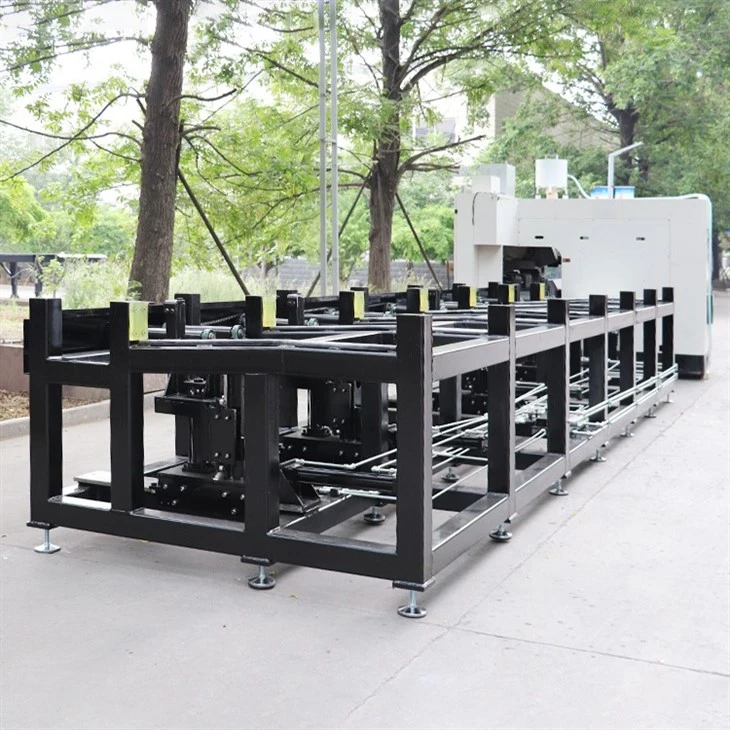

Benchtop Models
These are the smallest and lightest type of Circular Saw Machine CNCs. They are designed to be placed on a workbench and are suitable for small - scale projects or prototyping. Benchtop models usually weigh between 100 and 500 kilograms. Their relatively low weight makes them easy to move around and set up in a limited workspace.
Floor - Standing Models
Floor - standing Circular Saw Machine CNCs are more substantial and are commonly used in medium - sized workshops. They offer a larger cutting capacity and more advanced features compared to benchtop models. The weight of floor - standing machines typically ranges from 500 to 1500 kilograms. This weight provides the stability needed for high - precision cutting of larger workpieces.
Industrial - Grade Models
Industrial - grade Circular Saw Machine CNCs are the heavyweights of the industry. They are built to handle large - scale production and can cut through thick and hard materials. These machines can weigh anywhere from 1500 kilograms to over 5000 kilograms. Their massive weight is necessary to ensure stability during high - speed and high - force cutting operations.
Why Weight Matters
You might be wondering why the weight of a Circular Saw Machine CNC is such a big deal. Here are a few reasons:
Transportation
Moving a heavy machine can be a logistical challenge. You need to ensure that you have the right equipment, such as forklifts or cranes, to load and unload the machine safely. Additionally, the weight of the machine affects shipping costs, as heavier items require more fuel and specialized transportation services.
Installation
The weight of the machine determines the type of foundation or support it needs. A heavy industrial - grade machine may require a reinforced concrete floor to prevent it from shifting during operation. Improper installation due to inadequate support can lead to inaccurate cuts and even damage to the machine.
Stability
During operation, a heavier machine is generally more stable. It is less likely to vibrate or move, which is crucial for achieving precise and consistent cuts. This is especially important when cutting hard materials like metals, where even a small amount of movement can result in a poor - quality cut.
Case Study: Metal Disc Saw Cut Copper
Let's take a look at a real - world example. When using a Circular Saw Machine CNC for Metal disc saw cut copper, the weight of the machine plays a vital role. Copper is a relatively soft metal, but to achieve clean and accurate cuts, a stable machine is required. A medium - sized floor - standing machine with a weight of around 800 - 1000 kilograms would be ideal. It provides enough stability to cut through the copper without causing excessive vibration, which could lead to rough edges or uneven cuts.
Conclusion
In conclusion, the weight of a typical Circular Saw Machine CNC varies widely depending on its size, construction materials, and additional features. Whether you're a hobbyist looking for a lightweight benchtop model or an industrial manufacturer in need of a heavy - duty machine, understanding the weight requirements is essential for making the right choice.
If you're interested in purchasing a Circular Saw Machine CNC, I'd love to have a chat with you. We can discuss your specific needs, the weight requirements based on your application, and find the perfect machine for your business. Feel free to reach out to us, and let's start the conversation about how we can help you with your cutting needs.
References
- "CNC Machining Handbook"
- Industry reports on Circular Saw Machine CNCs


