

When it comes to using a circular machine saw, safety should always be the top priority. As a trusted supplier of high - quality circular saws including Circular Cold Sawing Machine, Heavy Duty Metal Cutting Circular Saw, and Automatic Circular Saw, I understand the significance of proper safety precautions. In this blog, I will share comprehensive safety measures that users should take when operating a circular machine saw.
Pre - operation Safety Checks
Before starting the circular saw, a series of pre - operation checks are essential. First and foremost, inspect the saw blade. A damaged or worn - out blade is not only inefficient but also extremely dangerous. Look for any signs of cracks, chips, or missing teeth. If the blade shows any of these defects, it should be replaced immediately. A sharp and intact blade cuts more smoothly, reducing the risk of kickback and other accidents.
Next, check the power supply. Ensure that the electrical cord is in good condition, free from cuts, frays, or exposed wires. If the saw is powered by a battery, make sure the battery is fully charged and properly installed. For corded saws, use a grounded outlet to prevent electrical shocks. It is also advisable to check the switch to ensure it functions correctly, turning the saw on and off smoothly.
Examine the saw's guards. The blade guard should move freely and cover the blade completely when the saw is not in use. The anti - kickback pawls, which are designed to prevent the saw from being thrown back towards the user, should be in place and in good working condition. If any of the guards are damaged or missing, do not use the saw until they are repaired or replaced.
Personal Protective Equipment (PPE)
Wearing appropriate personal protective equipment is non - negotiable when using a circular saw. Safety glasses are a must. They protect your eyes from flying wood chips, metal shavings, or other debris that can cause serious eye injuries. Make sure the safety glasses fit well and have side shields for maximum protection.
Hearing protection is also crucial. Circular saws can produce very loud noise levels, and prolonged exposure to such noise can lead to hearing loss. Earplugs or earmuffs can effectively reduce the noise and protect your hearing.
A dust mask is necessary, especially when cutting materials that generate a lot of dust, such as wood or drywall. Inhaling dust particles can cause respiratory problems, including allergies, asthma, and even more serious lung diseases. Choose a dust mask that is rated for the type of dust you will be exposed to.
Gloves are recommended, but they need to be used with caution. While gloves can protect your hands from cuts and abrasions, they can also get caught in the saw blade. If you choose to wear gloves, make sure they are well - fitting and do not have loose ends.
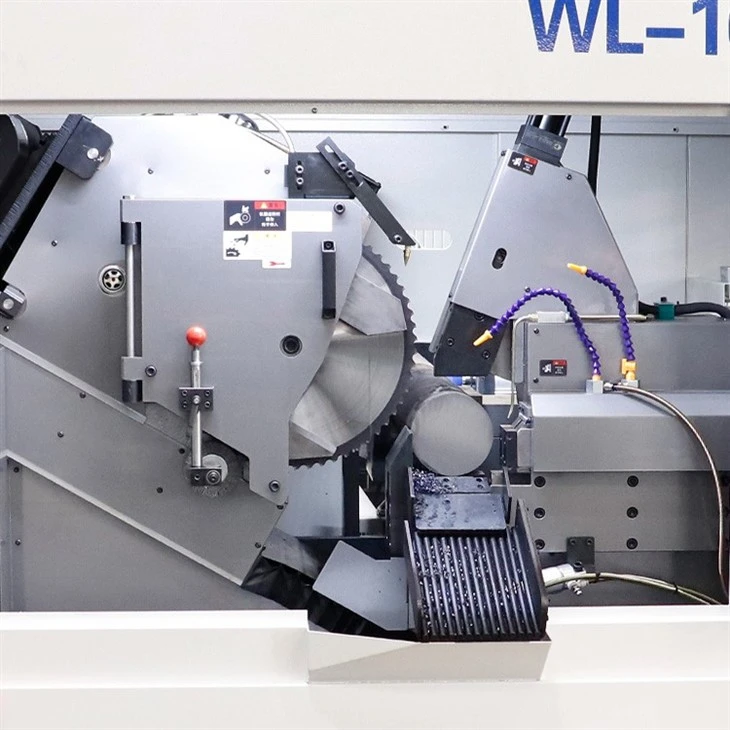

Proper Workspace Setup
A well - organized workspace is key to safe circular saw operation. Clear the work area of any clutter, tools, or debris that could interfere with the saw's movement or cause you to trip. Ensure that the work surface is stable and level. An uneven or wobbly surface can cause the saw to bind or kickback.
Use clamps or a vise to secure the material you are cutting. This prevents the material from moving during the cutting process, which can lead to a dangerous situation. If the material is too large or heavy to be clamped, make sure it is properly supported to avoid sagging or shifting.
Keep a fire extinguisher nearby, especially when cutting materials that are flammable, such as wood or plastic. Circular saws can generate sparks, and a small spark can quickly turn into a large fire if there is flammable material in the vicinity.
Operating the Circular Saw
When operating the circular saw, always maintain a firm grip on the saw with both hands. This gives you better control over the saw and reduces the risk of losing control during the cutting process. Keep your hands away from the blade at all times. Use a push stick or other appropriate tool to guide the material through the saw when the blade is close to your hands.
Start the saw and let it reach full speed before making contact with the material. This ensures a clean and smooth cut. Do not force the saw through the material. Let the saw do the work at its own pace. Forcing the saw can cause the blade to bind, leading to kickback or a damaged blade.
When making a cut, follow a straight line. Use a guide or a straightedge to ensure accuracy. Do not make sudden or jerky movements while cutting. A smooth and steady motion will result in a better cut and a safer operation.
After - operation Procedures
After you have finished using the circular saw, turn it off and unplug it (if it is a corded saw) or remove the battery (if it is a battery - powered saw). This prevents accidental starts.
Allow the blade to come to a complete stop before handling the saw or the material. Do not touch the blade immediately after use, as it can be very hot and cause burns.
Clean the saw regularly. Remove any dust, debris, or sawdust from the blade, guards, and other parts of the saw. This not only keeps the saw in good working condition but also reduces the risk of fire.
Store the saw in a safe place. Keep it out of the reach of children and unauthorized personnel. If possible, store the saw in a locked cabinet or toolbox.
Training and Knowledge
Proper training is essential for anyone who uses a circular saw. Even if you have some experience with power tools, it is always a good idea to refresh your knowledge and learn about the latest safety features and best practices. Many manufacturers offer training programs or online resources that can help you become more proficient and safe in using their products.
In addition to formal training, read the user manual carefully. The user manual provides detailed information about the saw's operation, maintenance, and safety precautions specific to that model. Follow the instructions in the manual to ensure safe and proper use.
Conclusion
Using a circular machine saw can be a very useful and efficient way to cut various materials. However, it is also a potentially dangerous tool if not used correctly. By following the safety precautions outlined in this blog, including pre - operation checks, wearing appropriate PPE, setting up a proper workspace, operating the saw correctly, and following after - operation procedures, you can significantly reduce the risk of accidents and injuries.
As a supplier of circular saws, I am committed to providing high - quality products and promoting safety in their use. If you are interested in purchasing Circular Cold Sawing Machine, Heavy Duty Metal Cutting Circular Saw, or Automatic Circular Saw, please feel free to contact us for more information and to start a procurement discussion.
References
- OSHA (Occupational Safety and Health Administration) guidelines on power tool safety.
- Manufacturer's user manuals for circular saws.
- Industry best practices for circular saw operation and safety.


