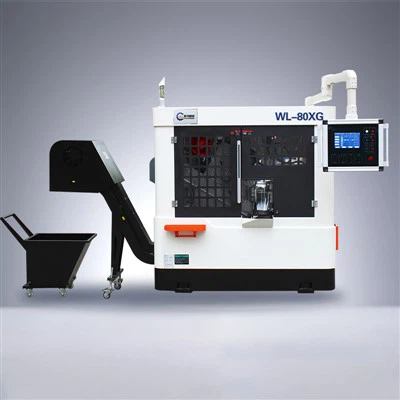
As a supplier of Table Circular Saw Machines, I am often asked about the types of materials these machines can cut. Table circular saw machines are versatile tools that can handle a wide range of materials, making them an essential piece of equipment in many workshops and industries. In this blog post, I will explore the various materials that a table circular saw machine can cut, highlighting their characteristics and the considerations for cutting each type.


Wood
Wood is perhaps the most common material cut using a table circular saw machine. It comes in various types, including softwoods like pine and cedar, and hardwoods such as oak, maple, and walnut. Softwoods are generally easier to cut due to their lower density, while hardwoods require more power and a sharper blade.
When cutting wood, it is important to choose the right blade. A blade with a high tooth count is suitable for making smooth, clean cuts, while a blade with a lower tooth count is better for faster, rougher cuts. Additionally, the type of wood can affect the cutting process. For example, some woods, like oak, contain tannins that can dull the blade more quickly, so it may be necessary to replace the blade more frequently.
Table circular saw machines are ideal for cutting wood to size, making crosscuts, rip cuts, and miter cuts. They can also be used to create joints, such as dadoes and rabbets, which are essential for woodworking projects. Whether you are building a simple bookshelf or a complex piece of furniture, a table circular saw machine is a valuable tool for working with wood.
Plastic
Plastic is another material that can be cut using a table circular saw machine. There are many different types of plastics, including acrylic, polycarbonate, PVC, and polyethylene. Each type of plastic has its own unique properties, which can affect the cutting process.
Acrylic and polycarbonate are popular plastics for cutting because they are transparent and have a high level of clarity. They are often used in applications such as signage, displays, and protective barriers. When cutting acrylic and polycarbonate, it is important to use a blade specifically designed for plastic cutting. These blades typically have a high tooth count and a special coating to prevent the plastic from melting or chipping.
PVC and polyethylene are more flexible plastics that are commonly used in plumbing, electrical, and construction applications. They can be cut using a standard wood-cutting blade, but it is important to use a slow cutting speed to prevent the plastic from melting. Additionally, it is recommended to use a lubricant, such as wax or silicone spray, to reduce friction and prevent the plastic from sticking to the blade.
Metal
While table circular saw machines are not typically designed for heavy-duty metal cutting, they can be used to cut thin sheets of metal, such as aluminum, brass, and copper. These metals are relatively soft and can be cut using a blade with a high tooth count and a special coating to prevent the metal from sticking to the blade.
When cutting metal, it is important to use a slow cutting speed and to apply a lubricant to the blade to reduce friction and prevent the metal from overheating. Additionally, it is recommended to use a vise or clamps to secure the metal in place to prevent it from moving during the cutting process.
For thicker sheets of metal, a more powerful saw, such as a Automatic stainless steel circular saw machine, may be required. These saws are specifically designed for metal cutting and can handle thicker and harder metals, such as stainless steel and carbon steel.
Composite Materials
Composite materials are made by combining two or more different materials to create a material with unique properties. Examples of composite materials include fiberglass, carbon fiber, and particleboard. These materials can be cut using a table circular saw machine, but it is important to choose the right blade and to use the appropriate cutting techniques.
Fiberglass and carbon fiber are strong and lightweight materials that are commonly used in the aerospace, automotive, and marine industries. When cutting fiberglass and carbon fiber, it is important to use a blade with a high tooth count and a special coating to prevent the fibers from fraying or delaminating. Additionally, it is recommended to use a vacuum system to collect the dust and debris generated during the cutting process, as the fibers can be harmful if inhaled.
Particleboard is a composite material made from wood particles and resin. It is commonly used in furniture and construction applications. When cutting particleboard, it is important to use a blade with a high tooth count to prevent the particles from chipping or splintering. Additionally, it is recommended to use a slow cutting speed and to apply a lubricant to the blade to reduce friction and prevent the resin from melting.
Considerations for Cutting Different Materials
When cutting different materials using a table circular saw machine, there are several considerations to keep in mind. These include:
- Blade Selection: Choosing the right blade is essential for achieving clean, accurate cuts. Different materials require different types of blades, so it is important to select a blade that is specifically designed for the material you are cutting.
- Cutting Speed: The cutting speed can affect the quality of the cut and the lifespan of the blade. Generally, slower cutting speeds are recommended for harder materials, while faster cutting speeds can be used for softer materials.
- Lubrication: Applying a lubricant to the blade can reduce friction and prevent the material from sticking to the blade. This can help to extend the lifespan of the blade and improve the quality of the cut.
- Safety: Cutting different materials can generate dust, debris, and fumes, which can be harmful if inhaled. It is important to wear appropriate safety equipment, such as a dust mask, safety glasses, and ear protection, and to use a vacuum system to collect the dust and debris.
Conclusion
Table circular saw machines are versatile tools that can cut a wide range of materials, including wood, plastic, metal, and composite materials. By choosing the right blade, using the appropriate cutting techniques, and following safety guidelines, you can achieve clean, accurate cuts in a variety of materials.
If you are in the market for a Table Circular Saw Machine or a Rapid Cutting Machine For Carbon Steel Round Bars, I encourage you to contact us to discuss your specific needs. Our team of experts can help you select the right machine for your application and provide you with the support and training you need to get the most out of your investment.
References
- Woodworking Magazine
- Plastic Industry Association
- Metalworking Handbook
- Composite Materials Journal