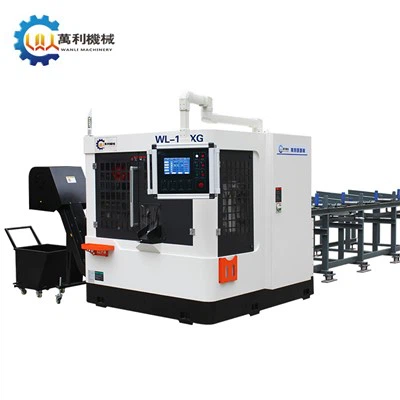
As a supplier of Circular Sawing Systems, I understand the critical importance of safely transporting these complex and often heavy pieces of equipment. Circular sawing systems are essential tools in various industries, including metalworking, woodworking, and construction. Ensuring their safe transport is not only crucial for protecting the investment but also for the safety of everyone involved in the process. In this blog, I will share some key strategies and best practices for transporting Circular Sawing Systems safely.
Pre - transport Preparation
Inspection
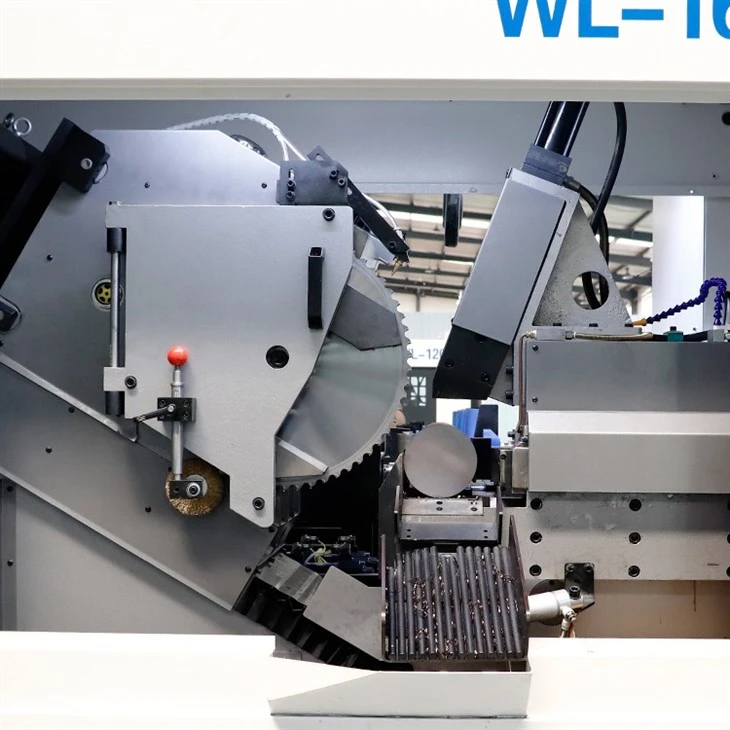
Before any transportation, a thorough inspection of the Circular Sawing System is necessary. Check for any loose parts, damaged components, or signs of wear and tear. Tighten all bolts and screws, and ensure that all moving parts are in proper working order. This inspection can prevent further damage during transit and also identify any potential safety hazards. For example, a loose blade on a TCT Blade Saw Machine could become a dangerous projectile if not secured properly.
Cleaning
Clean the sawing system to remove any debris, dust, or cutting fluids. This not only helps in preventing corrosion during transport but also makes it easier to handle and load the equipment. A dirty machine may also attract more dirt and moisture during transit, which can lead to long - term damage.
Disassembly
In some cases, it may be necessary to disassemble the Circular Sawing System into smaller, more manageable parts. This can reduce the overall size and weight, making it easier to load, unload, and transport. For instance, large Circular Blade Type Sawing Machine may have blades that can be removed, and control panels that can be detached. However, it is important to label all parts clearly and keep a detailed record of the disassembly process to ensure easy reassembly at the destination.
Packaging
Proper packaging is vital for protecting the sawing system during transport. Use high - quality packing materials such as foam, bubble wrap, and wooden crates. Foam can be used to cushion delicate parts, while bubble wrap provides an additional layer of protection against scratches. Wooden crates are ideal for providing structural support and protecting the equipment from external impacts. Make sure the packaging is sturdy enough to withstand the rigors of transportation.
Loading and Securing
Loading Equipment
Use appropriate loading equipment such as forklifts or cranes to load the Circular Sawing System onto the transport vehicle. Ensure that the loading equipment is in good working condition and that the operators are properly trained. For example, when loading a High speed sawing machine cut square pipe, which may be heavy and bulky, a forklift with sufficient lifting capacity should be used.
Securing the Load
Once the sawing system is loaded onto the vehicle, it must be secured properly to prevent movement during transit. Use straps, chains, or ropes to tie down the equipment. Make sure the straps are tight and that they are attached to secure points on the vehicle and the sawing system. For example, attach chains to the frame of the sawing system and then to the anchor points on the truck bed. This will prevent the equipment from shifting, sliding, or tipping over, which could cause damage to the machine or pose a safety risk to other road users.

Transport Considerations
Vehicle Selection
Choose the right transport vehicle based on the size, weight, and dimensions of the Circular Sawing System. A small sawing machine may be transported in a van, while larger and heavier systems may require a flatbed truck or a specialized transport trailer. Ensure that the vehicle has the appropriate suspension and braking systems to handle the weight of the load.
Route Planning
Plan the transport route carefully. Avoid rough roads, potholes, and areas with heavy traffic as much as possible. Rough roads can cause vibrations that may damage the sawing system, while heavy traffic increases the risk of sudden stops and starts, which can also lead to movement of the load. Check the weather forecast in advance and avoid transporting the equipment during extreme weather conditions such as heavy rain, snow, or strong winds.
Monitoring
During transport, it is advisable to monitor the load. This can be done through various means, such as using GPS tracking devices to monitor the vehicle's location and movement. Additionally, if possible, have a person on board to check on the sawing system periodically. This can help in detecting any issues early and taking appropriate action.
Unloading and Reassembly
Unloading
Use the same care and appropriate equipment for unloading as you did for loading. Follow the reverse process of loading, ensuring that the sawing system is lowered safely and gently onto the ground. Make sure the unloading area is clear of any obstacles and that the ground is level and stable.
Reassembly
Once the sawing system is unloaded, reassemble it according to the detailed record of the disassembly process. Check all connections, tighten all bolts and screws, and ensure that all moving parts are properly lubricated. Test the sawing system to make sure it is working correctly before putting it into operation.
Conclusion
Transporting Circular Sawing Systems safely requires careful planning, preparation, and execution. By following the steps outlined above, you can minimize the risk of damage to the equipment and ensure the safety of everyone involved in the transportation process. If you are in the market for high - quality Circular Sawing Systems or need more information on their safe transport, feel free to contact us for a detailed discussion. We are here to assist you in making the best decisions for your business needs.
References
- Industry standards for transporting heavy equipment.
- Manufacturer's guidelines on the disassembly, packaging, and transport of Circular Sawing Systems.