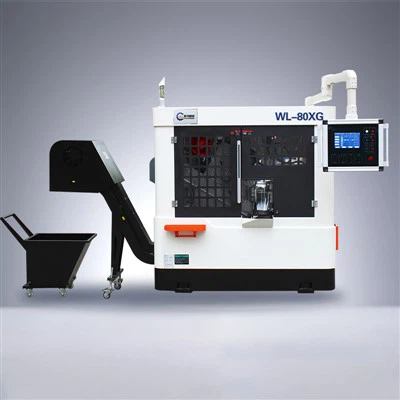
Hey there! As a supplier of Steel Rod Cutting Machines, I often get asked about the vibration level of these machines during operation. It's a crucial factor that can affect not only the performance of the machine but also the quality of the cuts and the overall safety of the operators. So, let's dive into what the vibration level of a steel rod cutting machine is all about.
Understanding Vibration in Steel Rod Cutting Machines
First off, vibration in a steel rod cutting machine is a natural by - product of its operation. When the machine is cutting through steel rods, there are multiple forces at play. The rotation of the cutting blade, the contact between the blade and the rod, and the movement of the machine components all contribute to the generation of vibrations.
The vibration level can be measured in different ways. One common unit is meters per second squared (m/s²). A higher vibration level means more intense shaking during the cutting process. But why does it matter? Well, excessive vibration can lead to a bunch of problems.
Problems Caused by High Vibration Levels
Quality of Cuts
High vibration can cause the cutting blade to deviate from its intended path. This results in uneven cuts, rough edges, and inaccurate dimensions of the steel rods. For industries that require precise cuts, such as construction or manufacturing of metal parts, this can be a major issue. A poorly cut rod might not fit properly into the intended structure, leading to structural weaknesses or the need for additional finishing work.
Machine Wear and Tear
Constant high - level vibrations put extra stress on the machine's components. The bearings, motor, and other moving parts can wear out faster. This means more frequent maintenance and replacement of parts, which can add up to significant costs over time. Moreover, it can also lead to breakdowns, causing production delays.


Operator Safety
Excessive vibration can be physically exhausting for the operators. Prolonged exposure to high - vibration levels can cause hand - arm vibration syndrome (HAVS), which includes symptoms like numbness, tingling, and reduced grip strength. It can also affect the operator's ability to control the machine accurately, increasing the risk of accidents.
Factors Affecting Vibration Levels
Blade Quality
The quality of the cutting blade plays a huge role in determining the vibration level. A dull or damaged blade will create more resistance when cutting through the steel rod. This increased resistance leads to more vibrations. On the other hand, a sharp, high - quality blade will cut smoothly, reducing the amount of vibration generated. For example, our Metal Cutting Circular Cold Saw Machine uses top - notch blades that are designed to minimize vibration during cutting.
Machine Design
The design of the steel rod cutting machine also matters. A well - designed machine will have proper balancing and damping mechanisms. Balancing ensures that the rotating parts of the machine are evenly distributed, reducing the chances of uneven forces that cause vibrations. Damping mechanisms, such as rubber mounts or shock absorbers, can absorb and dissipate the vibrations, keeping them at a manageable level. Our Circular Saw Metal Cutting Machine is engineered with advanced design features to control vibration effectively.
Cutting Speed and Feed Rate
The speed at which the blade rotates and the rate at which the steel rod is fed into the machine can impact the vibration level. If the cutting speed is too high or the feed rate is too fast, it can cause the blade to struggle, resulting in increased vibrations. Operators need to find the right balance between speed and feed rate for each type of steel rod and cutting application.
Measuring and Controlling Vibration Levels
To ensure that the vibration levels of our steel rod cutting machines are within acceptable limits, we use vibration sensors. These sensors are installed on critical parts of the machine and can accurately measure the vibration levels in real - time. If the vibration level exceeds a pre - set threshold, an alarm can be triggered, alerting the operator to take corrective action.
We also provide training to our customers on how to operate the machines to minimize vibration. This includes proper blade installation, adjusting the cutting speed and feed rate, and regular maintenance of the machine.
Our Solutions
At our company, we take vibration control seriously. Our Circular Low Saw is a great example of our commitment to providing high - quality, low - vibration machines. It is designed with state - of - the - art technology to ensure smooth and precise cuts with minimal vibration.
We also offer a range of accessories and upgrades that can further reduce vibration levels. For example, we have special blade guards and damping pads that can be installed on the machine to absorb vibrations.
Why Choose Our Steel Rod Cutting Machines?
- Low Vibration Design: Our machines are engineered to have low vibration levels, which means better cut quality, longer machine life, and improved operator safety.
- High - Quality Components: We use only the best blades and other components in our machines, ensuring reliable performance and reduced vibration.
- Customization Options: We understand that different customers have different needs. That's why we offer customization options to meet specific cutting requirements while keeping vibration levels in check.
Contact Us for Your Steel Rod Cutting Needs
If you're in the market for a steel rod cutting machine and want to learn more about our low - vibration solutions, we'd love to hear from you. Whether you're a small - scale workshop or a large - scale manufacturing plant, we have the right machine for you. Contact us today to discuss your requirements and get a quote. We're here to help you make the best choice for your business.
References
- ISO 5349 - 1:2001. Mechanical vibration — Measurement and evaluation of human exposure to hand - transmitted vibration — Part 1: General requirements.
- Machinery's Handbook, 31st Edition. Industrial Press Inc.