

Hey there, folks! I'm a supplier of Saw Machines Circular Saw, and I'm stoked to share some tips on how to use a circular saw machine for cross - cutting. Cross - cutting, in case you're new to the woodworking or metal - working scene, is the process of cutting a piece of material across its grain. It's a super useful technique for getting the right lengths and sizes for your projects.
Getting to Know Your Circular Saw Machine
First things first, let's talk about the circular saw machine itself. There are different types out there, and each has its own features and uses. For instance, the Circular Blade Type Sawing Machine is a popular choice. It's got a circular blade that does the cutting job, and it's great for a variety of materials like wood, plastic, and even some metals.
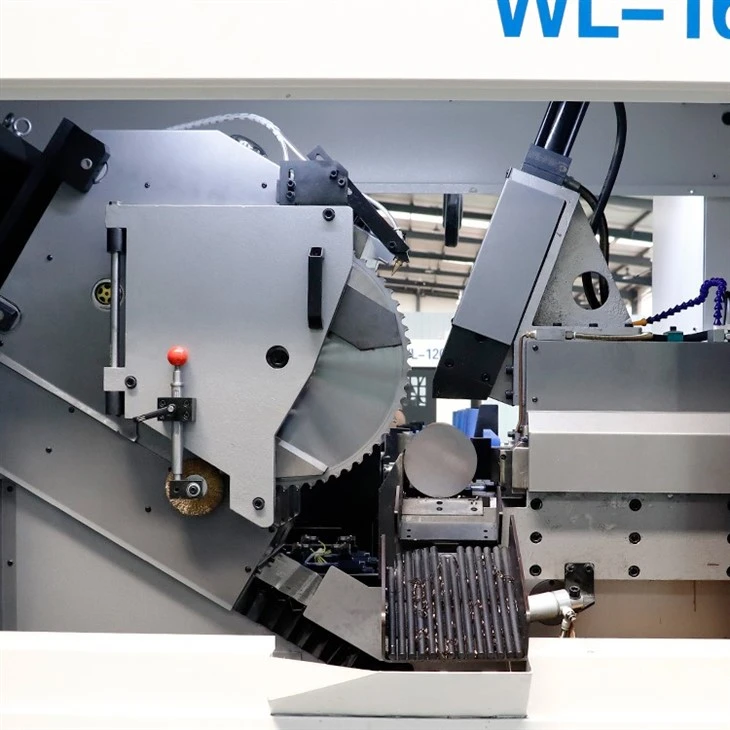
Then there's the Automatic Circular Saw Cutting Machine. This one's a real time - saver. It can do the cutting automatically, which is awesome if you've got a lot of pieces to cut. And if you're working with steel rods, the Steel Rod Cutting Machine is the way to go. It's specifically designed to handle the tough job of cutting through steel.

Safety First!
Before you even think about firing up your circular saw, safety should be your top priority. You need to wear the right safety gear, like safety glasses to protect your eyes from flying debris. Ear protection is also a must, because circular saws can get pretty noisy. And don't forget about gloves to keep your hands safe from cuts and splinters.
Make sure your work area is clean and free of clutter. You don't want anything getting in the way of the saw or causing you to trip. Also, check the saw for any damage before you start using it. If the blade is dull or the machine is acting up, it's not worth the risk. Get it fixed or replaced.
Setting Up the Saw
Once you've got your safety gear on and your work area is set up, it's time to set up the saw. First, choose the right blade for the material you're cutting. Different blades are designed for different materials. For example, if you're cutting wood, you'll want a blade with a lot of teeth for a smooth cut. If you're cutting metal, you'll need a blade that can handle the hardness of the material.
Adjust the depth of the blade. You want the blade to be just deep enough to cut through the material. If it's too deep, it can cause the saw to kick back, which is really dangerous. Most circular saws have a depth adjustment knob that you can use to set the right depth.
Next, set the angle if you're making a bevel cut. Some circular saws have a built - in angle adjustment feature. You just need to loosen the locking knob, set the angle you want, and then tighten the knob again.
Making the Cross - Cut
Now that your saw is all set up, it's time to make the cross - cut. First, mark the cut line on the material. You can use a pencil or a marking gauge. Make sure the line is straight and clear.
Clamp the material down firmly to your workbench. This will prevent it from moving around while you're cutting. You don't want the material shifting and causing an uneven cut or, worse, an accident.
Hold the saw firmly with both hands. Place your dominant hand on the handle and your other hand on the front of the saw for support. Line up the saw blade with the cut line.
Before you start the saw, make sure you're in a stable position. You don't want to be off - balance when the saw starts running. Once you're ready, pull the trigger to start the saw. Let the saw blade reach full speed before you start pushing it through the material.
Push the saw slowly and steadily along the cut line. Don't force it. Let the blade do the work. If you try to rush the cut, you might end up with a rough or uneven cut.
When you're almost done with the cut, be extra careful. The last part of the cut can sometimes cause the material to splinter. You can use a piece of scrap wood behind the cut to help prevent this.
After the Cut
Once you've made the cut, release the trigger to stop the saw. Wait for the blade to come to a complete stop before you touch the material or the saw.
Inspect the cut. If it's not as smooth or straight as you'd like, you can use a sandpaper or a file to clean it up.
Clean up your work area. Remove any sawdust or debris. You can use a brush or a vacuum cleaner to make the job easier.
Troubleshooting
Sometimes, things don't go as planned. If you're having trouble with the saw, here are a few things to check.
If the saw is binding, it could be because the blade is dull or the material is too thick for the blade. Try replacing the blade or using a thinner piece of material.
If the cut is rough, it could be because the blade is not sharp enough or the feed rate is too fast. Slow down the feed rate and make sure the blade is sharp.
If the saw is kicking back, it could be because the depth of the blade is too deep or the material is not clamped down properly. Adjust the depth of the blade and make sure the material is firmly clamped.
Why Choose Our Circular Saw Machines
As a supplier of Saw Machines Circular Saw, I can tell you that our machines are top - notch. We've got a wide range of circular saw machines to suit different needs and budgets. Whether you're a professional woodworker or a DIY enthusiast, we've got the right saw for you.
Our machines are made with high - quality materials and are built to last. They're easy to use and maintain, which means you can focus on your projects without having to worry about the saw breaking down.
And we offer great customer service. If you have any questions or need help with your saw, our team is always here to assist you.
Let's Connect
If you're interested in our circular saw machines or have any questions about cross - cutting, don't hesitate to reach out. We're always happy to have a chat and discuss your needs. Whether you're looking to buy a single saw for a small project or a whole set for a big job, we can work with you.
Let's start a conversation and see how our circular saw machines can take your projects to the next level.
References
- Woodworking Basics: A Guide to Using Power Tools
- Metalworking Handbook: Cutting and Shaping Techniques


